Elon Musk crawled under Twitter's server-room floor with a pocketknife just before Christmas Eve...
Less than two months earlier, Musk had completed his chaotic $44 billion takeover of the social media platform. And he immediately began searching for ways to make the bloated business faster and cheaper.
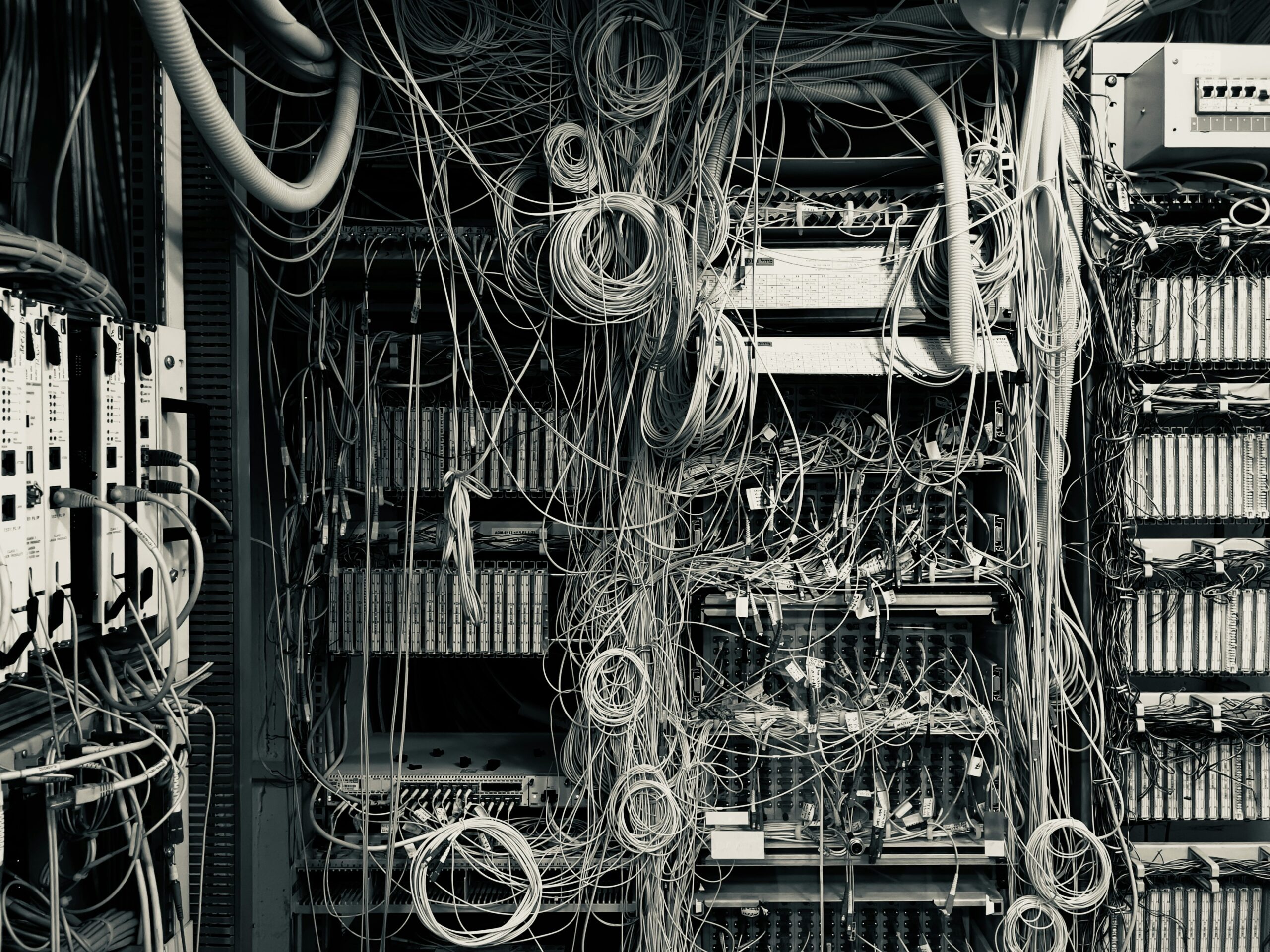
That hunt eventually led him to a data center in Sacramento, California. The facility housed thousands of servers that kept Twitter (now known as "X") running.
It also cost the company more than $100 million per year.
Twitter already operated another data center in Portland, Oregon. Moving the Sacramento equipment there could eliminate a massive annual expense.
Musk saw an obvious cost-cutting opportunity. But his infrastructure team saw a big, fat problem...
During a tense meeting on December 22, 2022, Twitter managers told Musk it would take at least six to nine months to move the servers safely...
The Portland facility wasn't set up for that much traffic.
But Musk wasn't interested in excuses. In his eyes, the team had turned a straightforward moving job into an endless engineering project. So he took matters into his own hands...
On December 23, Musk landed in Sacramento with his cousins, James and Andrew. They rented the only car they could find on short notice. A surprised Twitter employee let them into the facility and led them through its retinal-scan security system.
Inside Twitter's vault stood roughly 5,200 refrigerator-sized server racks. A worker explained that contractors needed special suction equipment to lift the floor panels and get to the wiring.
Another crew would have to crawl underneath, disconnect the electrical cables, and remove the seismic restraints.
Musk asked the security guard for a pocketknife. He used it to pry open an air vent, then a floor panel... and in he crawled.
Musk forced open an electrical cabinet and pulled the plugs from one of Twitter's sensitive server racks. The app seemed to keep running. Musk took that as his green light.
On Christmas Eve, reinforcements arrived from Musk's other businesses – Tesla (TSLA), SpaceX (SPCX), and the Boring Company...
One employee bought out an Apple Store's supply of AirTags to track the equipment. Another spent thousands of dollars at Home Depot on headlamps, wrenches, bolt cutters, and more.
The makeshift crew rolled racks onto rented trucks without the usual crates or protective wrapping.
After Christmas, Musk's cousins found a moving company on Yelp. One cousin withdrew $13,000 from his bank account after agreeing to pay in cash.
The facility had never moved more than 30 servers in a month. Musk's skeleton crew relocated more than 700 racks in three days. Twitter's infrastructure employees finished moving the remaining equipment in January 2023.
But all that speed didn't come without consequences. Twitter suffered technical problems for the next two months. Musk later learned that its systems contained about 70,000 hard-coded references to the Sacramento facility.
He acknowledged that the shutdown had been a mistake. Then his teams repaired the damage and kept moving.
That "move fast and break things" mentality is a hallmark of Musk's leadership...
He brought the same urgency to xAI's Colossus supercomputer in Memphis, Tennessee. A facility that big could normally take many months or years to come on line. Musk's team built the original 100,000-chip system in just 122 days. Training began only 19 days after the first servers reached the facility.
And Musk plans to go much further. His newly public rocket company, SpaceX, has already laid out plans for solar-powered AI satellites... They're slated to carry data-center infrastructure into orbit.
Love him or hate him, Musk knows how to build at breakneck speed...
He knows that every AI data center needs huge amounts of power.
He knows that processors need networking equipment to move data quickly... that fiber must connect data centers to the outside world... and that cooling systems must remove the staggering heat produced inside.
Those systems now represent the key bottlenecks of the AI boom. And solving bottlenecks is Musk's specialty.
Musk is investing tons of resources into the next phase of AI. And the companies that will benefit the most are those that remove AI's physical constraints the fastest.
This technology needs power, fiber, and cooling as much as it needs chips.
That's why, using a special signal we've uncovered that helps zero in on which stocks are going to double next, last week, we put together a list of the companies that each control a piece of the AI-infrastructure bottleneck.
And they're going full steam ahead on AI. In the coming months, as our Launch Signal research shows, these companies could more than double your money. But this opportunity won't last long.
You only have a few days left to check out the webinar where we explain all the details. Click here to learn how to set yourself up for big potential gains on Musk's latest pet project.
Regards,
Joel Litman
August 31, 2026