Craig Jelinek's choice was simple...
Cheap hot dogs or death.
Long before he became CEO of wholesale behemoth Costco (COST), Jelinek was a lifer working his way up the ladder. He went from managing a single warehouse to overseeing the entire merchandising engine.
Costco makes most of its profit from annual membership fees. A big part of Jelinek's job was convincing folks to keep renewing year after year. Aside from that, he was just focused on not losing money.
And tucked inside that responsibility sat one of the strangest assignments in corporate America...
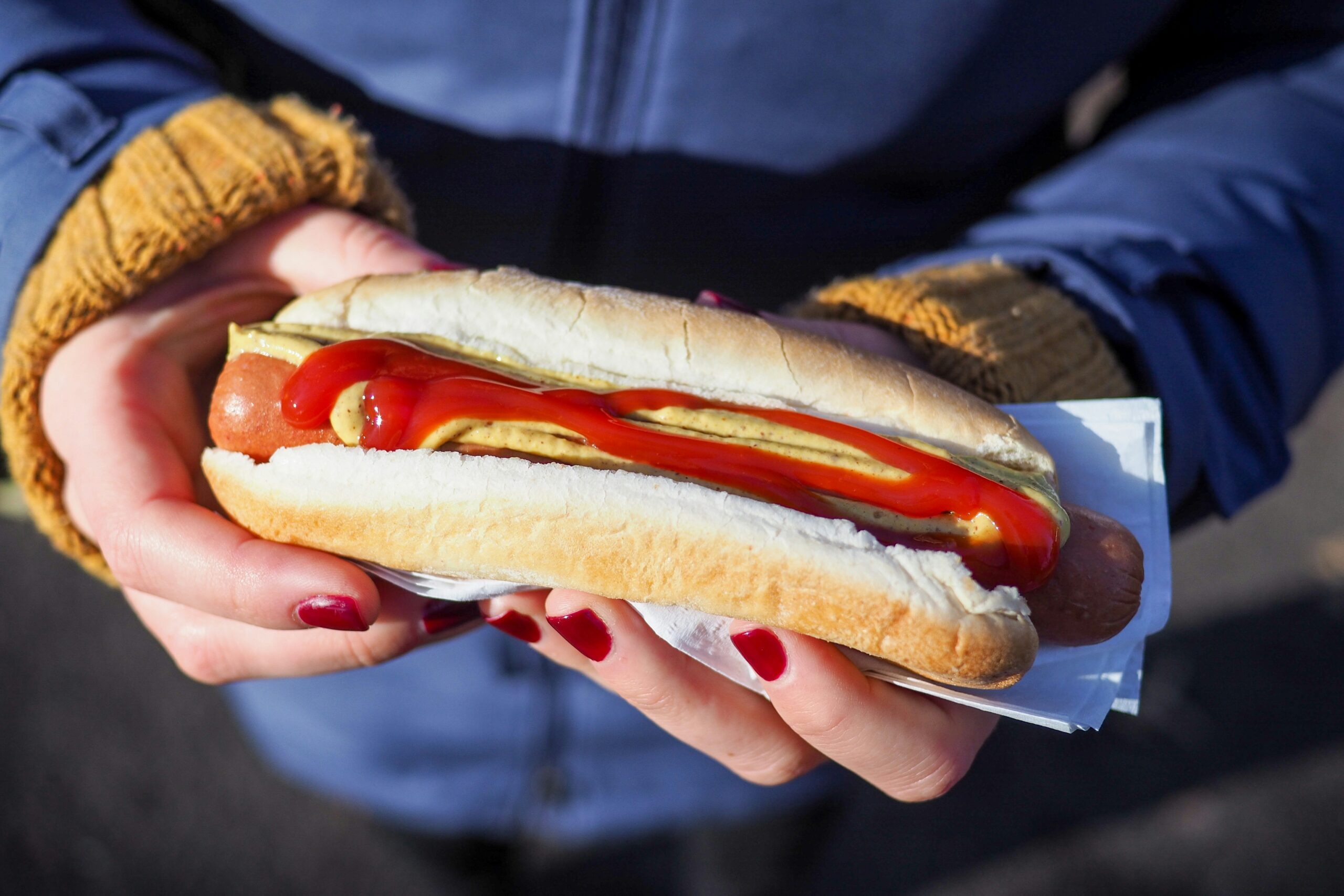
Keep a $1.50 hot-dog-and-soda meal alive, no matter the cost.
The combo arrived on Costco's menu in 1985...
Even back then, it was a pretty good deal. A Big Mac meal cost $2.50 by comparison.
And that deal has only gotten better with time.
You see, over the years, inflation has jacked prices higher across the country. But the hot-dog meal hasn't budged.
In a 2018 interview, Jelinek explained the reason. He once approached Costco co-founder Jim Sinegal with a straightforward problem... The company was losing money every time it sold a hot-dog meal.
Jelinek suggested raising the price to just $1.75 per meal. A $0.25 bump would fix the profitability problem. And customers probably wouldn't complain much.
But Sinegal wouldn't hear of it. He listened to Jelinek's suggestion – and delivered a reply that would go down in corporate history...
If you raise the effing hot dog, I will kill you. Figure it out.
It was certainly an unconventional response (and a bit of a nightmare, from an HR perspective). Sinegal was being stubborn for a reason, though...
Costco's hot-dog meal was never meant to be a profitable enterprise by itself...
It exists to remind shoppers that Costco delivers unbeatable value.
Members often enter the store already thinking about the hot dog. The company sold 245 million of them last year alone. They're a way to get folks into a store where everything else is priced to sell.
And when it comes time to renew that membership every year, the promise of a cheap meal more than offsets the $60 annual fee.
The Costco hot dog is what's known as a 'loss leader'...
It only worked because of Costco's gigantic, profitable ecosystem. Even though the company was losing money on one item, it made money everywhere else.
This strategy can be wildly lucrative when used well. Consumer-technology companies often do the same thing by selling cheap hardware and making money on software.
For example, until recently, tech giant Sony (SONY) sold its line of PlayStation gaming consoles at a loss. Its entire goal was to sell as many units as possible... because the bulk of the cash came from selling games.
Hardware made up just 24% of Sony's revenue last year. Game sales and subscriptions made up the remaining 76%.
And e-commerce titan Amazon (AMZN) sells its Kindle e-readers roughly at cost. When an author sells a book in the Kindle format, Amazon takes between a 30% and 65% cut of the sale price.
As long as it's not losing too much on the hardware, it'll make much more in the long run now that folks have to use the ecosystem.
That's also what many AI companies are trying to achieve...
You may have heard that some big companies like OpenAI and Anthropic aren't profitable yet.
And recent IPO SpaceX (SPCX) spent years selling its satellite antennae at a loss to grow its customer base. Today, this business (known as "connectivity") is its most profitable segment.
The goal with loss leaders is to win customer loyalty first... then make a profit once they're hooked. Investors often don't realize what has happened until it's too late.
To get ahead of the curve, look for businesses that are just starting to pump out their loss leader.
This is tricky because it often looks like the company is getting less profitable. However, the cheap products it's selling have a clear path to higher profits down the line.
Good loss leaders can keep folks coming in for years. But for investors, the best chance to take advantage is much earlier... when the product is just emerging.
Regards,
Rob Spivey
June 24, 2026