The Strait of Hormuz is redrawing global supply...
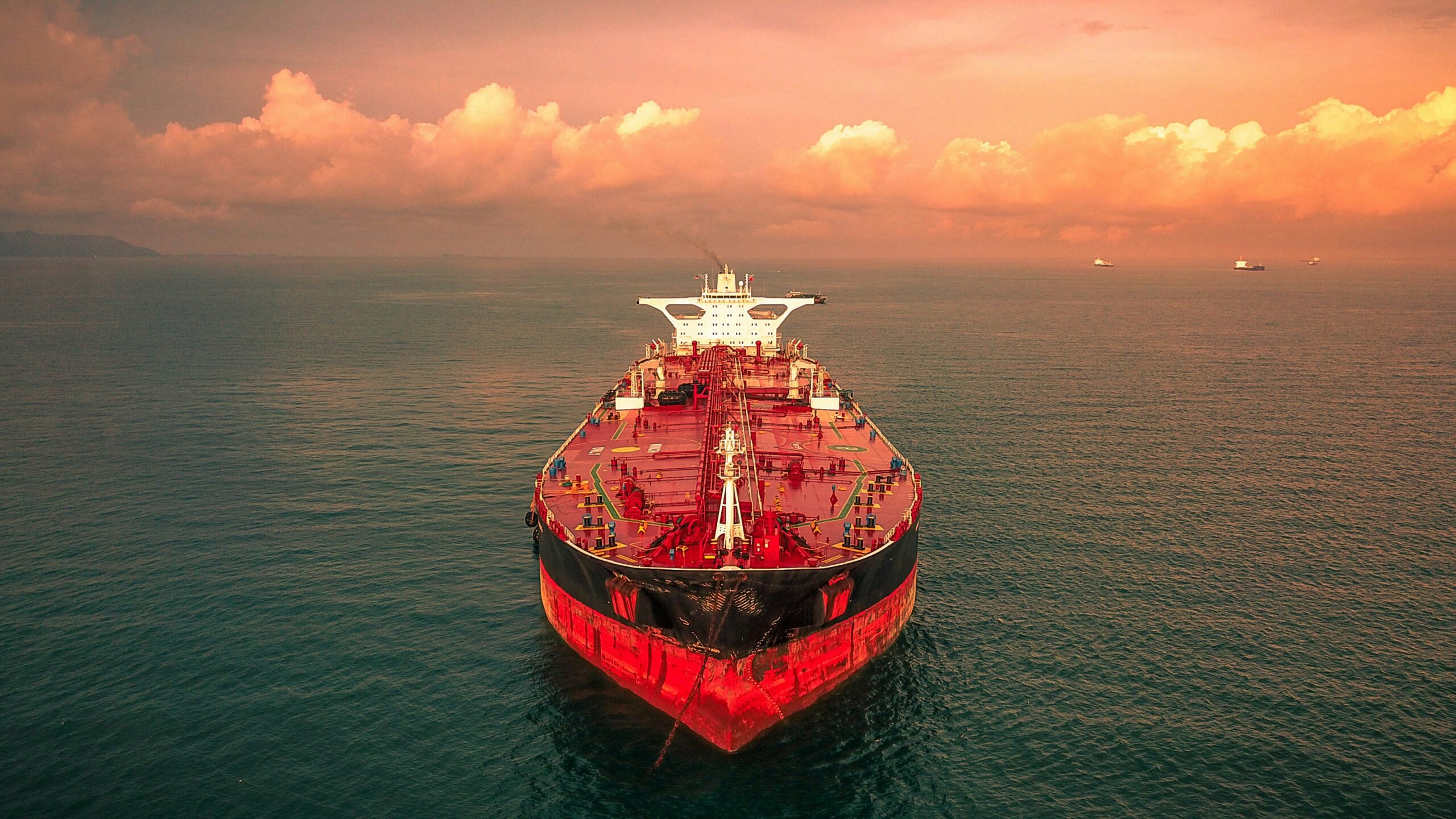
Typically, about one-fifth of the world's seaborne crude oil passes through this waterway, which connects the Persian Gulf to international markets.
But due to the Iran war and escalating attacks on oil tankers, the strait has become an energy choke point.
The International Energy Agency ("IEA") says global oil inventories fell by 250 million barrels across March and April. And Gulf-producer supply losses now top 1 billion barrels.
Those aren't normal drawdowns. They're the kind of numbers that force refiners, petrochemical producers, airlines, and fuel distributors to rethink where their next barrels will come from.
Today, we'll explain why this energy shock is pushing buyers toward more secure supply... and why that should favor U.S. producers and infrastructure owners.
The bottleneck has become the biggest story...
Disruption in the strait is showing up in three places at once: inventories, production, and demand.
The IEA expects global oil inventories to fall by 2.6 million barrels per day ("bpd") on average in 2026. That's a huge increase from its prior estimate of just 300,000 bpd.
The agency also expects inventories to drop by 8.5 million bpd in the second quarter... even with emergency reserve releases included.
And the production hit is just as severe. The IEA estimates that Middle Eastern countries collectively shut in 10.5 million bpd of crude production in April.
For years, investors assumed disruptions like these could be managed. But that isn't the case.
Demand is beginning to fall. Consumers and businesses are responding to less supply and higher prices by using less fuel. OPEC cut its 2026 demand-growth forecast from 1.4 million bpd to 1.2 million bpd.
But lower demand can only ease prices for a while. It's not a long-term fix. It can't replace lost production or rebuild supply chains.
All of this means the U.S. has to do more heavy lifting...
In response to the crisis, producers outside the Middle East have increased output and pushed exports to record-high levels.
The IEA predicts American oil supply will soar by more than 600,000 bpd in 2026, to 1.5 million bpd on average.
For buyers, this Western supply is valuable because it's not exposed to disruptions in the Strait of Hormuz. It sits outside the Middle East supply chokepoint and can keep flowing even as political tensions rise.
That makes U.S. oil producers extremely attractive today...
They have deep shale resources and existing export infrastructure along the Gulf Coast.
They also have the ability to expand the systems behind the barrels – the assets that gather and process energy for global customers. That means they can scale their output to meet rising demand.
And the opportunity isn't limited to the producers, either. It extends to the infrastructure that moves and exports the barrels.
Every additional barrel needs gathering systems, processing capacity, pipeline space, storage, and export access before it reaches global buyers. That creates steady demand and pricing power for the companies that own and operate this infrastructure.
Simply put, when energy buyers start paying for reliability, those assets become more valuable.
The next build-out will happen behind the barrels...
Oil prices will keep moving with the headlines. Every little bit of news about the war will drive short-term volatility.
But the investment opportunity here doesn't involve guessing each price move in crude... It's about identifying the energy producers and infrastructure companies that can meet demand when times get tough.
The Iran war has exposed how thin the global energy cushion really is. As a result, countries that get their oil from the Middle East will look for barrels from regions with more reliable access, stronger infrastructure, and lower choke point risk.
The U.S. ticks all those boxes.
And the companies that gather, process, store, transport, and export U.S. energy will soar in value as buyers look for secure supply.
If you're looking to profit from this global shift toward energy security, U.S. oil producers and infrastructure companies are your best bet today.
Regards,
Joel Litman
May 19, 2026