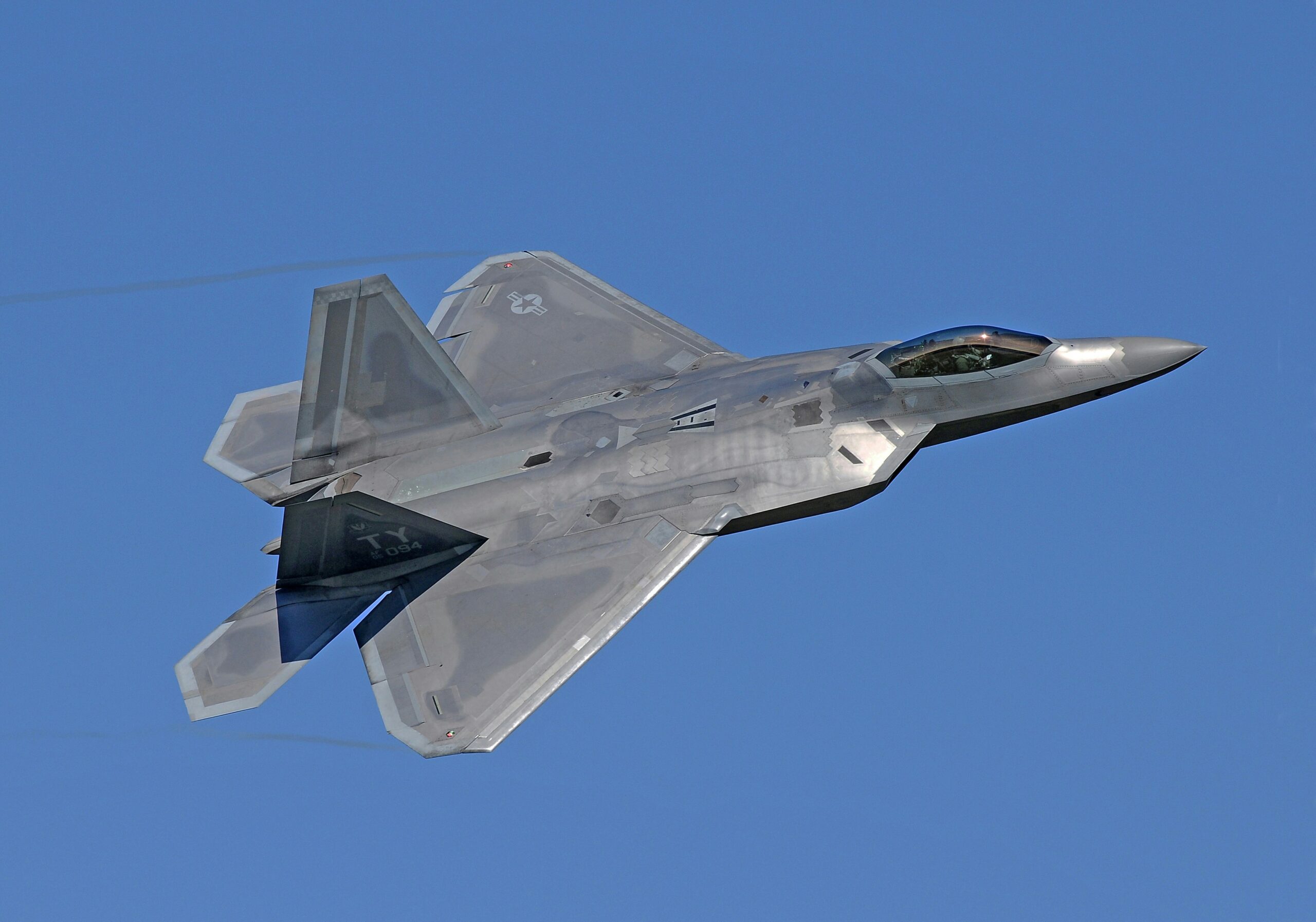
At 3:06 a.m., Lt. Bob Becklund fired up the engines of his F-4 Phantom fighter jet.
The F-4 Phantom was designed for chasing Soviet bombers. But this night was different. It carried just one piece of cargo, strapped into the rear seat of the cockpit, packed in ice inside a red-and-white picnic cooler.
Inside that cooler was a human heart.
Just three days before Christmas 1986, a 4-month-old infant named Michael McCann had died unexpectedly in his sleep. His parents made the gut-wrenching choice to donate their son's organs.
Halfway across the country, another infant – 5-month-old Andrew De La Pena – was running out of time. He'd been born with a rare and fatal defect. His only shot at survival was a transplant... and Michael's heart was the best chance he'd ever get.
The plan was to rush the organ from Fargo, North Dakota to California using a Stanford University jet.
But when the surgeons loaded the cooler onto the Learjet at Hector International Airport, disaster struck.
The plane's engine was frozen and wouldn't start...
The surgical team called the governor of North Dakota in the middle of the night. The governor, in turn, called the state adjutant general.
Immediately, the National Guard was racing to prepare one of its only available aircraft... a Cold War interceptor designed to scramble against Soviet bombers.
The supersonic warplane was the only aircraft that could make the trip in time.
But even the F-4 wasn't made for this kind of mission. It didn't have a climate-controlled cargo bay. The organ had to ride in the back seat.
The young fighter pilot took the cooler and climbed into the jet. Moments later, he beelined for Utah, where he was supposed to deliver the heart to a Stanford medical team-owned plane. Time was ticking.
He made it to Utah... But the Stanford medical team didn't. So Becklund refueled and kept flying to Naval Air Station Moffett Field at the southern tip of the San Francisco Bay.
He touched down at 4:43 a.m. PST and handed off the cooler to a waiting ambulance crew. The heart had been outside the body for more than seven hours... well beyond what transplant medicine at the time considered survivable.
And yet, Andrew De La Pena lived.
Dr. Norman Shumway, a pioneer in infant heart transplants, performed the surgery.
It was the longest out-of-body time for a heart ever recorded at that point. Against all odds, the operation succeeded.
The story is a testament to the extraordinary lengths people will go to save a life. But it's also a stunning indictment of the system these heroes had to work around.
Nearly four decades later, the tools of transplant logistics generally haven't changed much. Organs are still packed in ice. They're still flown commercially or privately, which means delays and mishaps occur.
Even now, a donated heart is often moved in a Styrofoam cooler.
These traditional methods aren't the most reliable... nor are they cheap. When an organ transplant fails, all the money spent up to that point ultimately goes to waste.
And that's not to mention the human cost of a failed transplant.
Today, companies are looking to improve the transplant process...
Not only are they coming up with better transportation technology... that technology is leading to higher success rates. The businesses involved enjoy lower costs. The patients and their families get the comfort of a safer, more reliable operation.
And for investors, these innovations can help you pick the biggest future winners in health care.
You just need to find the companies that are making the industry more efficient.
New technology is already upending everything we thought we knew about organ transport. It can deliver better outcomes while cutting the cost per procedure.
This is a win on all sides. Better health tech could dramatically extend transplant windows and improve patient outcomes...
And investors who buy into these pioneers set themselves up for a handsome profit.
Regards,
Joel Litman
March 3, 2026