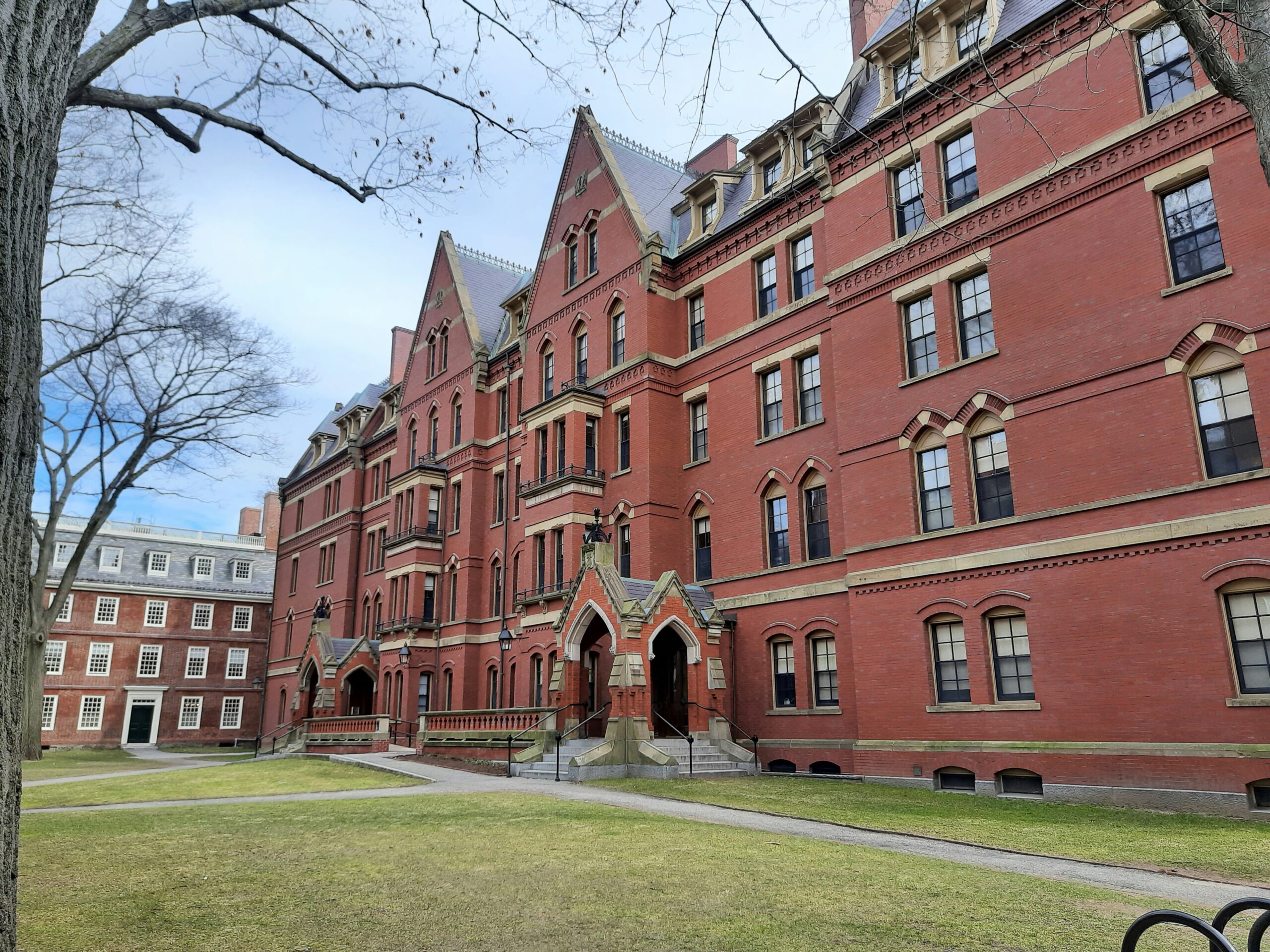
Harvard University has a $57 billion endowment...
It also has a private equity problem.
The Ivy League institution has spent years trying to solve an uncomfortable issue... It boasts the largest university endowment on Earth. But that endowment's performance is trailing the schools against which it measures itself.
Between 2020 and 2024, Ivy League endowments returned just over 11%, on average. Harvard's return was 10.3%.
That might seem like a small difference. But universities rely on their endowments to fund school operations. Lower returns mean less funding for research projects, financial aid, and campus upgrades.
And among the top five largest endowments, the gap was even wider. The Massachusetts Institute of Technology was the best performer, with nearly a 13% return... while Harvard came in last place.
Back in February, we covered an issue with the "Yale Model" of endowed gifts. The university leaned hard into private equity ("PE"). And while it worked for a while, recently, that approach has started breaking down.
Now, the same problem seems to be hitting Harvard. And it could be a warning for individual investors, too...
Harvard has been pushing deeper and deeper into PE...
PE helped elite endowments post stronger long-term returns, as we mentioned in February. For the 20 years ending in June 2025, Yale's portfolio returned nearly 10% per year... while more standard portfolios averaged closer to 5% to 6%.
Harvard wanted a better seat at the table. The PE allocation for its endowment climbed from 16% in 2017 to 41% in 2025.
For a fund that supports a major university, that's a huge move into assets that can be hard to sell quickly.
And now, the move has gone from questionable... to downright painful.
Harvard relies on endowment payouts for more than a third of operating revenue. In past years, endowments faced a flat 1.4% "endowment tax." But thanks to a bill passed last year, new higher tiers could raise taxes to as much as 8% on some of its funds.
And PE managers still have the right to ask Harvard for billions of dollars more.
Limited partners like Harvard commit money up front. Then they hand it over gradually, when managers issue capital calls for acquisitions, fees, or follow-on investments.
That setup works when older funds are selling companies and sending cash back. The money coming in helps cover the money going out.
But Harvard is running into the other side of that machine...
Capital calls can continue even when distributions slow.
Its unfunded PE commitments climbed from $4.6 billion in 2017 to $7.9 billion in 2025. People familiar with the matter told the Financial Times that this figure remains high in 2026.
In other words, Harvard could be on the hook for billions of dollars in commitments at any point.
As of the latest numbers available, the university had about 3% of its endowment in cash at the end of 2025 – roughly $1.7 billion. If its PE partners come knocking, it might not have enough cash handy right away.
And the PE firms are causing even more problems... because they're not delivering cash back to Harvard the way they used to.
Back in 2021, PE was still feasting on cheap debt. It paid a lot of cash back to Harvard Management Company. The endowment posted a record 33.6% return... with its PE investments returning 77%.
Then interest rates rose. The traditional PE exits, like initial public offerings ("IPOs") and private sales, slowed down.
Harvard lost money in 2022. It only returned 2.9% in 2023. That leaves the university with less cash coming back from old PE funds today... and more obligations still ahead.
The university can tap public stocks, bonds, and hedge-fund stakes to raise cash. It's not out of options. But its buffer is getting thin.
This problem is spreading beyond Harvard...
Other major endowments also increased private-market exposure when the going was good (which lasted until 2021). So Harvard's backlog isn't just a Harvard story. It's a warning sign for the rest of the PE industry.
Institutions are PE's core customers. They write the big checks that let managers raise new funds, buy companies, and wait years for exits.
Now, it seems like Harvard's love affair with PE has reached its peak. We expect other institutions to get more cautious about new commitments, too.
Management-consulting company Bain has already said fundraising lagged in 2024. As PE has slowed down paying back investors, those investors have slowed their monetary commitments.
More PE managers are now selling into private wealth channels. They're easier to access outside the traditional endowment and pension world.
And as for individual investors... you should treat this shift as a warning. When a PE opportunity shows up in your inbox, don't get caught up in the exclusivity.
Think carefully before diving in.
Regards,
Joel Litman
June 1, 2026