Saudi Arabia built its East-West pipeline as a backup to keep crude moving...
It has been useful in recent months as the nearby Strait of Hormuz became less dependable, with the Iran war triggering repeated closures and attacks on tankers passing through the strait.
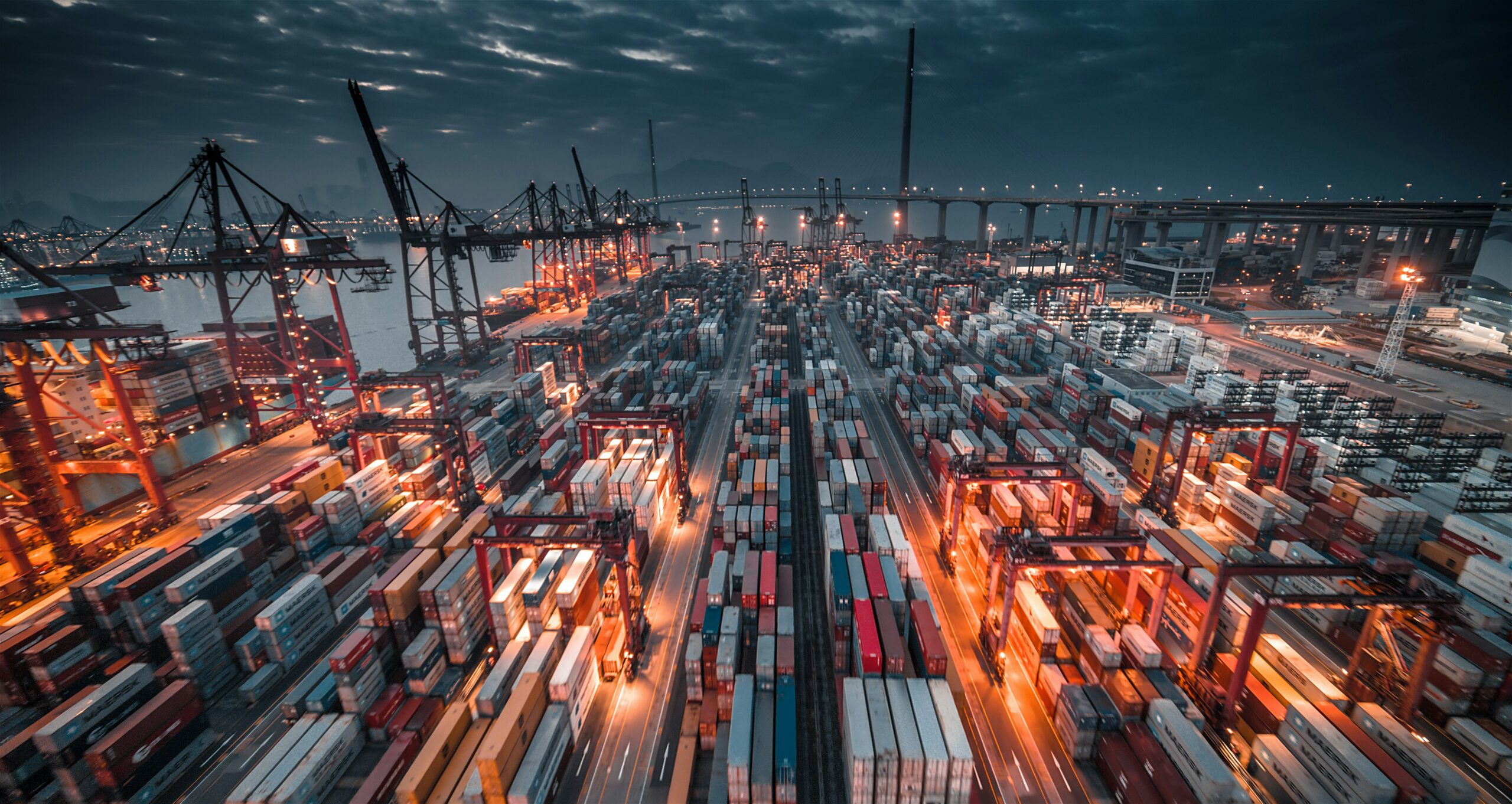
The system carries oil across the country to Yanbu, a major port on the Red Sea. From there, tankers travel south through the Bab al-Mandeb Strait and then east toward Asia.
But now, the Bab al-Mandeb is under pressure...
Last week, the Houthis warned Saudi vessels to avoid the Red Sea and threatened to close the strait. Five tankers reportedly reversed course after the announcement, including one carrying crude from Yanbu to China.
Roughly 6.2 million barrels of oil per day passed through the Bab al-Mandeb over the past month. Saudi shipments accounted for an estimated 2.5 million to 3.5 million barrels of that.
Today, we'll explain why the prolonged instability of foreign oil is increasing the value of domestic energy production... and helping energy remain the market's leading sector.
The big investing trend everyone has been paying attention to is AI...
AI spending and data-center construction have turned tech into the default destination for growth investors. And there are still lots of great opportunities... if you know where to look.
But tech hasn't been the strongest sector so far this year...
The information technology sector is up about 16% year-to-date... And the industrials sector (which is largely tied to building AI infrastructure) is up about 14%... But energy leads the pack with a 31% gain.
The shipping crisis is a big reason for the sector's outperformance.
Since the U.S.-Iran conflict began, Saudi Arabia has redirected roughly 4 million to 5 million barrels per day to Yanbu since they've been less able to use the Strait of Hormuz. If the Strait of Bab al-Mandeb were to close as well, that would leave Saudi oil facing a long, inefficient route through the Suez Canal and Mediterranean Sea before reaching Asian markets.
Asian refineries account for roughly 60% to 65% of Saudi Arabia's total crude exports, making the Bab al-Mandeb route critical to the bulk of the kingdom's oil trade.
The alternative would consume more time, fuel, tanker capacity, and insurance coverage. Each added complication raises the delivered cost of Middle Eastern crude.
Oil prices had already risen more than $20 per barrel in July, briefly climbing above $95. Analysts cited by CNN estimated that a full blockade of the Bab al-Mandeb could add another $5 to $10 per barrel... pushing crude's price above $100.
Higher international oil prices strengthen the demand for domestic oil...
As prices rise, domestic producers then have more cash to drill and complete new wells. Likewise, it could increase demand for U.S. exports. Before the Iran war began, global liquefied natural gas ("LNG") supply was expected to climb 11% this year thanks to new exports from the U.S. and Canada... Now, it's only expected to grow 1% because lost supply from Qatar and the United Arab Emirates has offset nearly all of that growth.
If this global oil slump drags on, U.S. energy could become even more valuable than it is today.
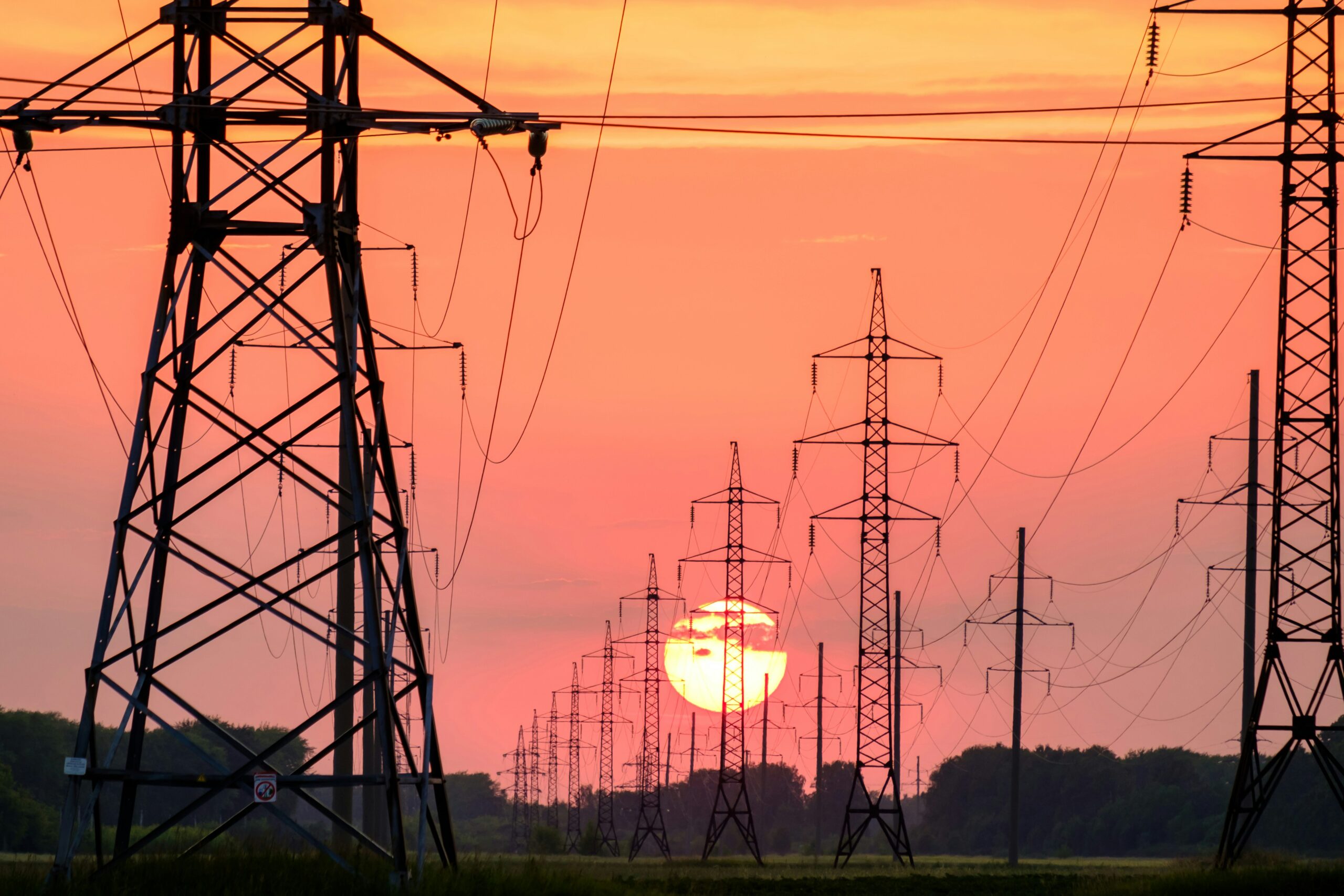
These two Middle Eastern chokepoints won't prevent domestic barrels from reaching American refiners and Gulf Coast export terminals. This increased value of U.S. oil is part of what's propelling the overall energy sector.
This can lead to a 'rotation' into energy...
Global buyers now face risk at two pivotal waterways. Normally, the Hormuz handles about 20 million barrels of oil per day, and the Bab al-Mandeb carries another 6.2 million. Disruption at either location creates pressure... Trouble at both straits severely limits the region's ability to reroute supply.
U.S. energy production sits outside of that system.
The longer investors anticipate strain on Middle Eastern energy, the longer we can expect energy prices to remain high.
And more money for the U.S. energy industry means companies have more time to invest in growth.
This rotation into the energy sector comes at a time when folks are starting to second-guess tech stocks... After all, the State Street Technology Select Sector SPDR Fund (XLK) is down 8% in the past month. That leaves even more room for energy to run through the remainder of the year... if not beyond.
Regards,
Joel Litman
July 31, 2026
P.S. Wall Street is rotating out of tech and into energy. And there's more to the story than meets the eye...
Moves like this aren't due to insider information. They're due to sophisticated analysis that Wall Street investors have access to – allowing them to "cash out" before everyday investors.
But you don't have to get left behind. I've found a way to identify these trends early... and follow the flow of institutional money, rather than the after-the-fact headlines. Get the details here.