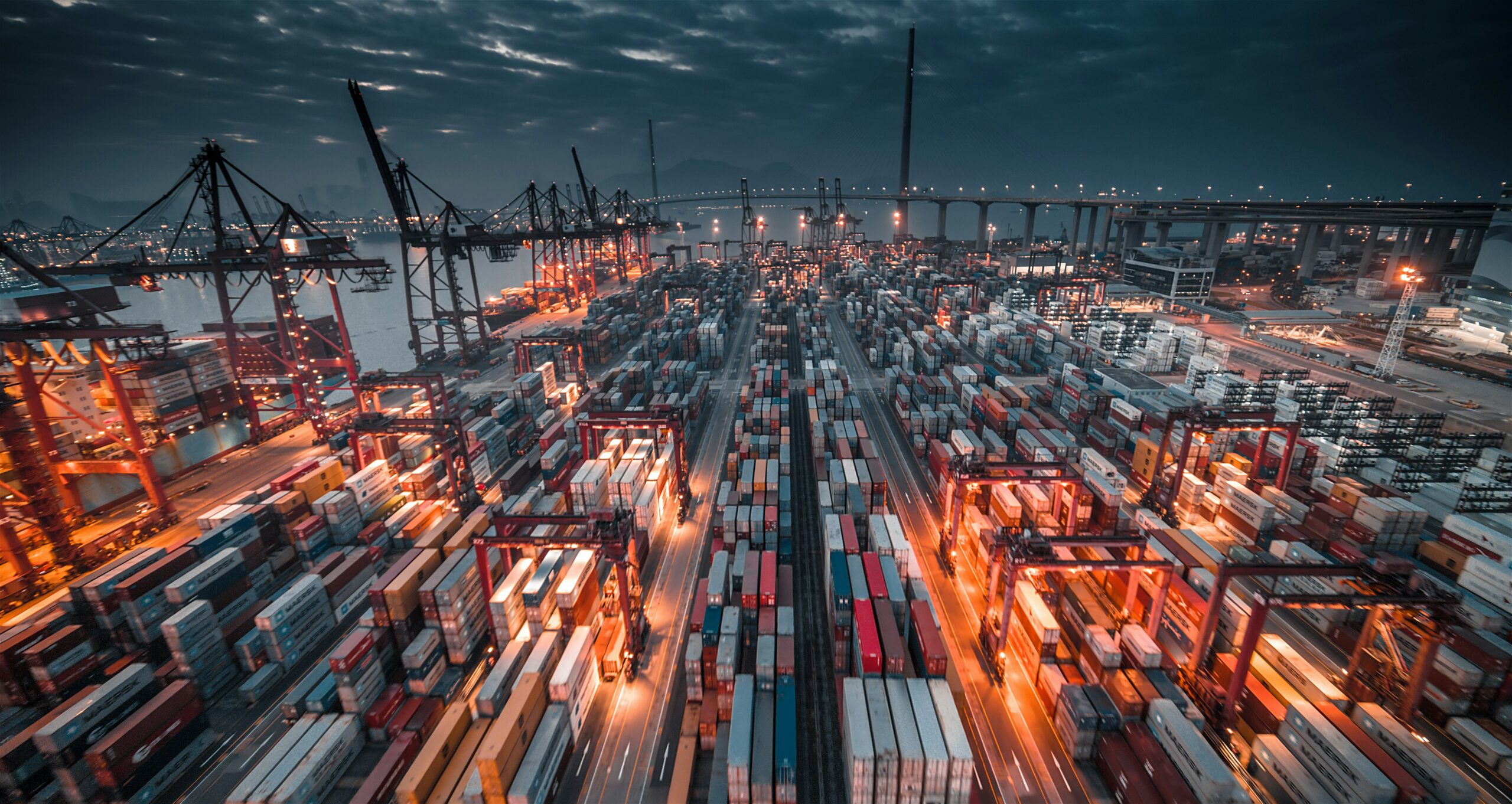
For decades, the world economy moved in one direction...
Tariffs declined and global trade became smoother. Companies had the freedom to search the globe for the cheapest factories, labor, and raw materials they could find.
That system rewarded efficient global supply chains. And governments largely trusted that the goods they needed would be delivered.
But that convention is quickly unwinding.
Around the start of the COVID-19 pandemic, global trade began to slow. Exports and imports halted. Countries found themselves lacking essential goods.
That was just the beginning of the move away from globalization. Economic policy has become increasingly tied to national security. Countries want control over critical industries and raw materials. And they want enough domestic capacity to withstand a trade fight.
China is driving much of that shift... Its massive manufacturing base has given Beijing the resources to build its industries at a scale few countries can match.
And as China gains leverage, other major economies are building defenses of their own.
Today, we'll show how China's economic model is reviving mercantilism, and how investors can profit from this shift.
China has built a gigantic industrial war chest...
Its gross national savings (the amount of income consumers and businesses save) reached 43% of GDP in 2025 – compared with 17% in the U.S.
That leaves China with an immense pool of capital available for investment.
A huge share of that has gone toward industrial capacity. In 2024, China added nearly as much manufacturing value as the U.S. and the Eurozone combined.
China lagged behind the U.S., the Eurozone, and Japan in manufacturing value two decades ago. But it has been the clear leader over the past 15 years.
That has helped it dominate several crucial industries... For example, it's the leading producer of solar panels and lithium-ion batteries. It also controls several rare earth materials.
These industries sit at the center of everything from electric vehicles and power grids to advanced electronics.
That gives China leverage when trade tensions rise. A country that controls a critical input can influence far more than the price of that single product. It can impose trade restrictions and even bans, regardless of global demand.
And China has another advantage... Its broad manufacturing base reduces the number of foreign suppliers it has to rely on.
However, China's domestic economy has slowed dramatically...
Its economic growth fell to 4.3% in the second quarter of 2026 from more than 10% in the past two decades.
Real estate was considered the safest asset in China... until the 2021 property boom collapse led to a significant drop in home values.
This has left fewer attractive places to invest China's massive savings. Household consumption has remained too weak to pick up the slack.
Despite that, Chinese factories keep producing... meaning more of its output heads overseas. China's manufacturing trade surplus has climbed to roughly 2% of global GDP.
This is where industrial policy starts reshaping the rest of the world...
Producers outside of China are facing intense competition from China's huge production capacity.
The U.S. has gone on the defensive via tariffs and domestic supply-chain investments. Europe is moving in the same direction to protect its industries from Chinese competition.
This is what modern mercantilism looks like...
China has spent years scaling its industries and reducing its dependence on foreign suppliers. Now the U.S., and other parts of the world, are catching up.
That's fueling a global race to secure supply chains and access to key materials.
And it's creating a strong tailwind for U.S. companies operating in the industries Washington wants to protect and expand. Investors should take note...
Domestic manufacturers, energy producers, semiconductor companies, and businesses tied to critical materials all benefit when the U.S. fights back.
The goal is to close the manufacturing gap with China and reduce U.S. reliance on vulnerable foreign supply chains.
Investors who focus on domestic companies are sure to profit from this new mercantilist era.
Regards,
Joel Litman
September 10, 2026