On the Wyoming-Colorado border, a bison is perched on a hill. And it never seems to move...
Near the Sonoran Desert in the Southwest, saguaro cacti appear to be humming.
And in Los Angeles, palm trees are topped with blinking red lights.
All these uncanny sights have a simple explanation...
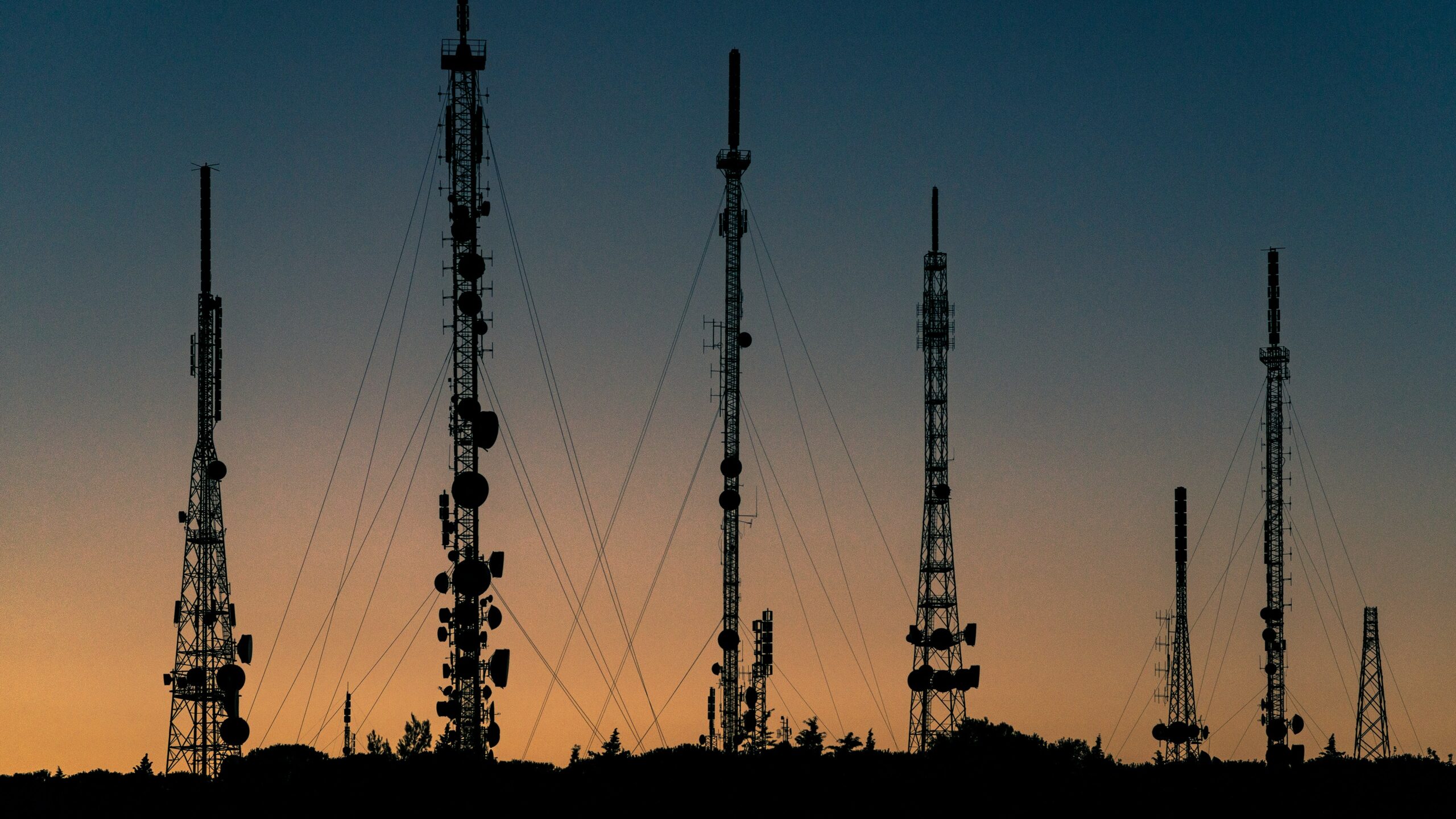
Americans don't like cellular towers. So carriers have gotten awfully creative at hiding them.
This issue emerged in the 1990s, when two major trends collided. First, cellphone adoption skyrocketed. And second, telecommunications companies quickly installed cell towers to improve network performance.
In classic "not in my backyard" ("NIMBY") fashion, folks around the country waged war on these towers. Many thought they were just plain ugly.
That's why cell carrier Sprint was struggling to win approval in the rural town of Monument, Colorado...
Locals didn't want to add a cell tower to their beautiful landscape – three lakes and a national forest overflowing with evergreens. So they rejected Sprint's proposal at first.
The company then came up with a novel idea: If it could disguise cell towers as natural features, folks might be more willing to accept them.
So Sprint called up Larson Camouflage, which specialized in creating artificial landscapes for theme parks and zoos. Sprint hired Larson to transform its cell tower into a pine tree, mimicking Monument's beloved natural surroundings.
The locals were swayed. And the first-ever "monopine" went up in 1992.
Since then, tens of thousands of monopines have gone up across the country. Towers can be disguised as anything from plants and rocks to flagpoles and windmills... And then there's that stationary bison.
Camouflage cell towers have become big business.
Yet that's only the beginning...
Telecom companies are still building out their 5G networks. And while they can be up to 100 times faster than 4G, their signals cover shorter distances and struggle to penetrate obstacles.
At the end of 2025, there were about 158,500 cell towers across the U.S. And carriers are packing more and more equipment onto existing towers.
But 5G carriers need more equipment on more towers to cover the same ground. So cell-tower construction is increasing.
And the biggest winners from this build-out won't be the companies you'd expect.
Cell carriers aren't the best way to play 5G...
It's natural to assume the telecom giants will profit most from the expanding cellphone coverage. After all, they're the ones selling 5G plans to customers.
But companies like Verizon Communications (VZ), AT&T (T), and T-Mobile (TMUS) are the ones footing the bill.
They've already spent tens of billions of dollars on spectrum licenses – which enable companies to use specific radio frequencies for wireless communication.
Now they have to pay to build out and upgrade their networks... all while competing for the same pool of customers.
On top of that, most consumers aren't willing to pay much more for faster service. So even as carriers spend massive sums, their returns won't necessarily improve.
The real opportunity lies with the companies that carriers have to pay to get the job done.
Tower owners are the landlords of the 5G build-out...
Most carriers don't own the towers their equipment sits on. They rent space from tower companies.
These landlords lease each tower to multiple carriers on long-term contracts. And once a tower is up, adding another tenant costs very little. So nearly every extra dollar of rent becomes profit.
The soaring demand for 5G means there will be more equipment on existing towers and more new sites to lease. Since NIMBY battles still make it hard to approve new towers, the companies that already own sites have a serious edge.
And every tower comes with a shopping list. Each one needs antennas, radios, cables, connectors, and fiber. Multiply that by thousands of new towers, and the companies supplying those parts are looking at years of demand.
Carriers can't afford to fall behind on coverage, so they'll keep spending even as it squeezes their own profits. That money flows straight to the tower owners and parts suppliers.
More than 30 years ago, a fake pine tree helped solve the cell-tower problem. Today's challenge is far bigger... and the companies building and supplying these networks are set to profit.
Regards,
Joel Litman
October 23, 2026