Every call in town ran through one family's living room...
In the early 1980s, most Americans owned corded landline phones with rotary or push-button dials. But the residents of Bryant Pond, Maine were different.
They still reached for a wooden wall phone, just as they had for decades... despite the technology being obsolete for more than half a century.
This type of phone used a hand crank, which sent a signal to a switchboard operator. The operator would answer, slide a cord into place, and connect the call by hand. A caller could wait up to 30 minutes before finally being connected.
It was a tedious system that had all the friction modern telecom companies spent decades eliminating. The solution, direct dialing, had already solved those problems.
But Bryant Pond wasn't interested in direct dialing...
They had the Hathaways.
In 1951, Elden Hathaway bought the Bryant Pond Telephone Company with his wife, Barbara. The company's hand-crank phone system was already outdated back then. And at the time, it only had about 100 subscribers.
Over the years, the Hathaways managed to not only keep this antiquated system alive... They made it grow. And it covered more than half the town by 1981.
The main switchboard sat amid family life in the Hathaway home. Elden, Barbara, and their two daughters connected neighbors' ongoing calls between work and chores.
Bryant Pond Telephone was much more than a phone connection...
For one, it was Google before Google existed. Locals would call with all sorts of questions – ranging from what was on at the movie theater to how to bake a blueberry pie.
It was also the town's answering service. A traveling theater group depended on the Hathaways to collect messages while it was on the road. A local snowplow driver relied on them to ring him awake at 3 a.m. during winter storms so he could clear the mills.
The switchboard doubled as the town's fire alarm. During one fire that threatened nearby woods, the firemen were away at a dinner. The operators knew where to find them, reached them quickly, and helped get the department moving.
Residents loved Bryant Pond's system. But the same things that made it special also revealed why its future was limited...
By the 1980s, telecom was moving in the opposite direction...
Direct dialing gave customers speed and privacy. It made long-distance calls easier. And it let phone companies serve more people with less labor.
In 1981, Elden and Barbara Hathaway sold the company to a direct-dial service. Two years later, nearly 200 villagers gathered at the Hathaway home to mark the end... when the last hand-crank phones in America went silent for good.
Forty-plus years later, another old telephone system is reaching a similar end...
It still handles critical jobs. Many businesses rely on it for fire alarms, elevator phones, security systems, emergency call boxes, and other essential equipment. These are the lines people forget about until something goes wrong...
I'm talking about copper lines.
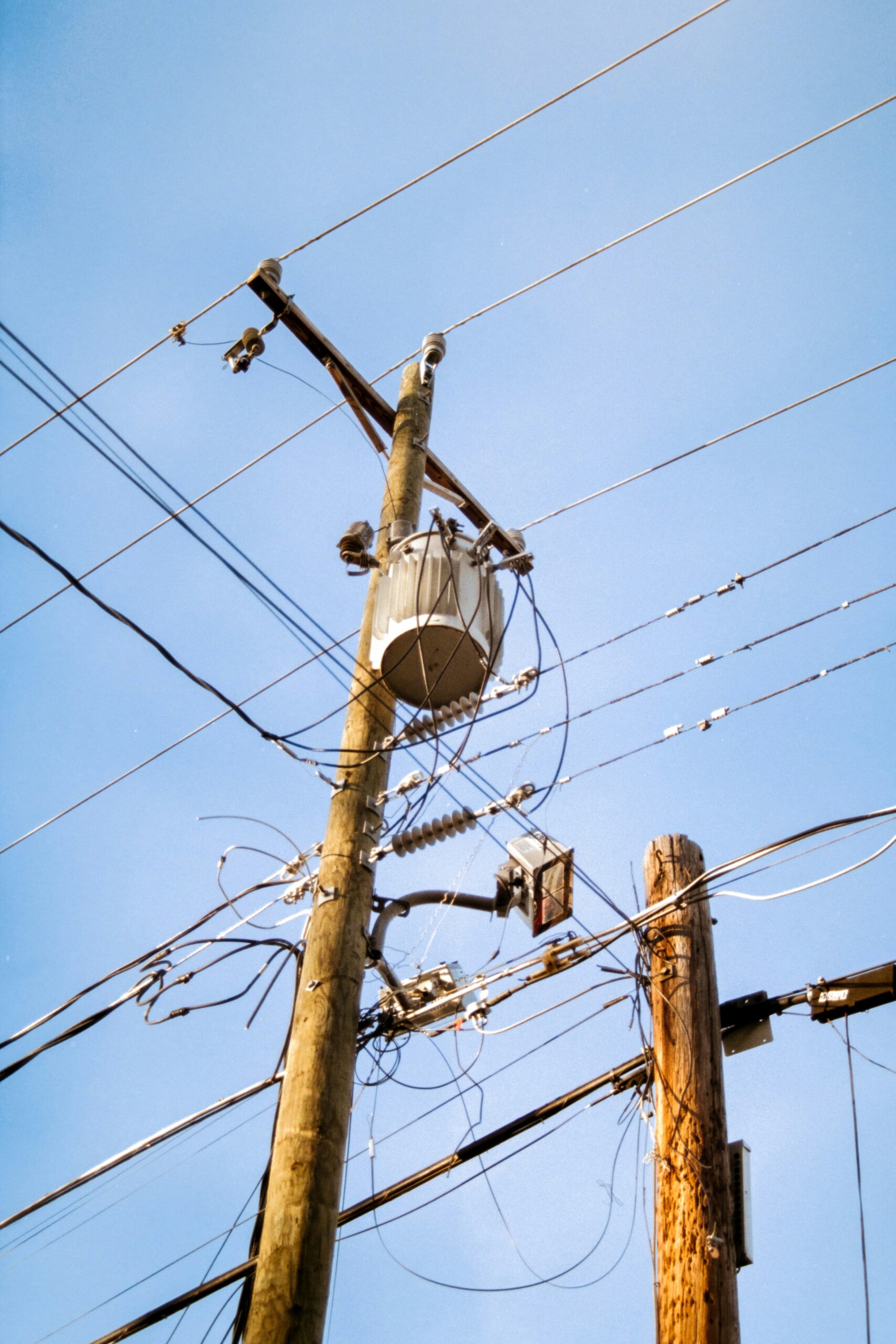
These aging lines have powered traditional phone service for generations. And right now, the telecom industry is in the middle of the "copper sunset."
Carriers want to retire old copper networks because they've become wildly expensive to keep running. AT&T (T) alone spends about $6 billion a year just to keep its copper network running.
The cables are failing with age, replacement parts are getting harder to find, and the technicians who know how to fix them are retiring.
Meanwhile, carriers would rather put that money into faster fiber networks.
For everyday calling, that switch is an upgrade. Just as direct dialing replaced the hand-crank switchboard, fiber and wireless service can do everything copper did... and more. But for emergency lines, the switch isn't as simple as plugging in something new.
Today, we'll show why the end of copper phone lines is creating a problem that millions of buildings can't ignore... and why the fix isn't optional.
The industry calls these old landlines 'POTS,' short for 'plain old telephone service'...
Most households have already swapped them for cellphones and Internet-based calling. That leaves the carriers maintaining aging copper networks with a shrinking number of customers.
So, they're moving on. AT&T, for example, plans to shut down copper-based phone service across most of its territory by the end of 2029. Customers will be moved to fiber or wireless alternatives instead.
Regulators are clearing the way, too. Over the past two years, the Federal Communications Commission ("FCC") has cut much of the paperwork carriers once needed to retire copper lines. Today, a carrier can shut off a copper line with as little as 90 days' notice.
For the average household, that's no big deal. But for many businesses and public buildings, it's a serious problem...
Emergency lines can't simply be switched off...
Copper phone lines carry their own power. So when a building loses electricity, the line usually keeps working.
That's why so much emergency equipment was built around it. A fire alarm needs to alert the emergency services, even if a fire knocks out the power. And an elevator phone needs to work during a blackout.
A standard Internet phone line can't promise the same reliability. If the power or the connection drops, the line goes dead right when it's needed most.
That makes the replacement a necessity, not a choice...
When a carrier retires a copper line, the business on the other end has to find a new way to keep its emergency phones and alarms connected... even if the power goes out.
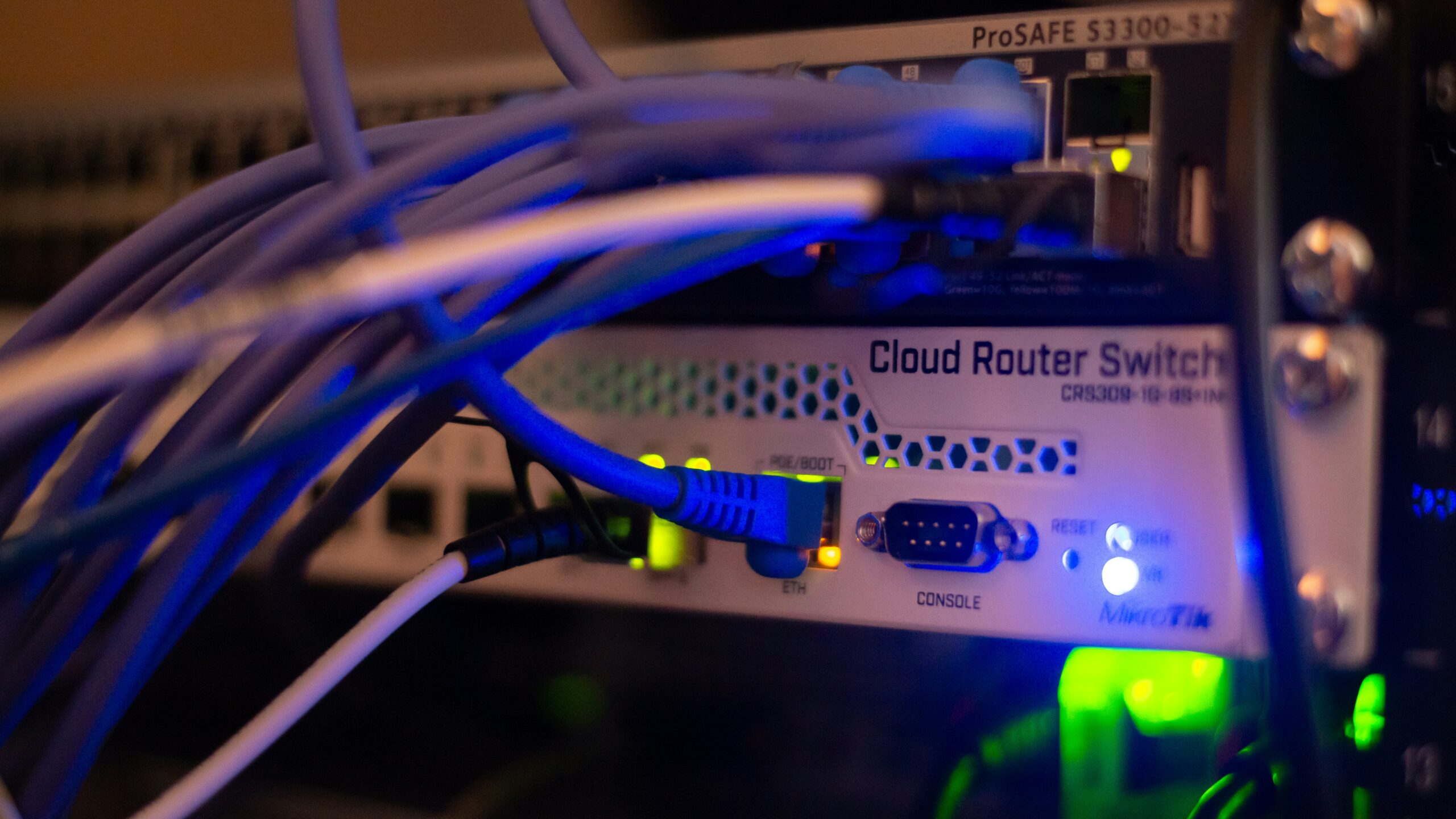
That's driving demand for a different kind of fix: purpose-built POTS replacements. These are small devices that plug into a building's existing alarm panels and elevator phones. Instead of relying on the building's Internet connection, they send signals over cellular networks. And they come with their own backup batteries, so they still work during an outage.
In other words, they're designed to do exactly what the old copper line did... just without the copper.
Much of a company's spending is discretionary. It can put off a software upgrade or an office renovation... But if the fire alarm needs replacing, that spending is mandatory.
Bryant Pond didn't want to give up its switchboard. But the world moved on, and the town followed suit.
Today's businesses are in a similar spot. Copper is going away no matter what, and many businesses will need to replace their copper lines. And the companies that help them switch over safely have lots of room to profit.
Regards,
Joel Litman
October 28, 2026