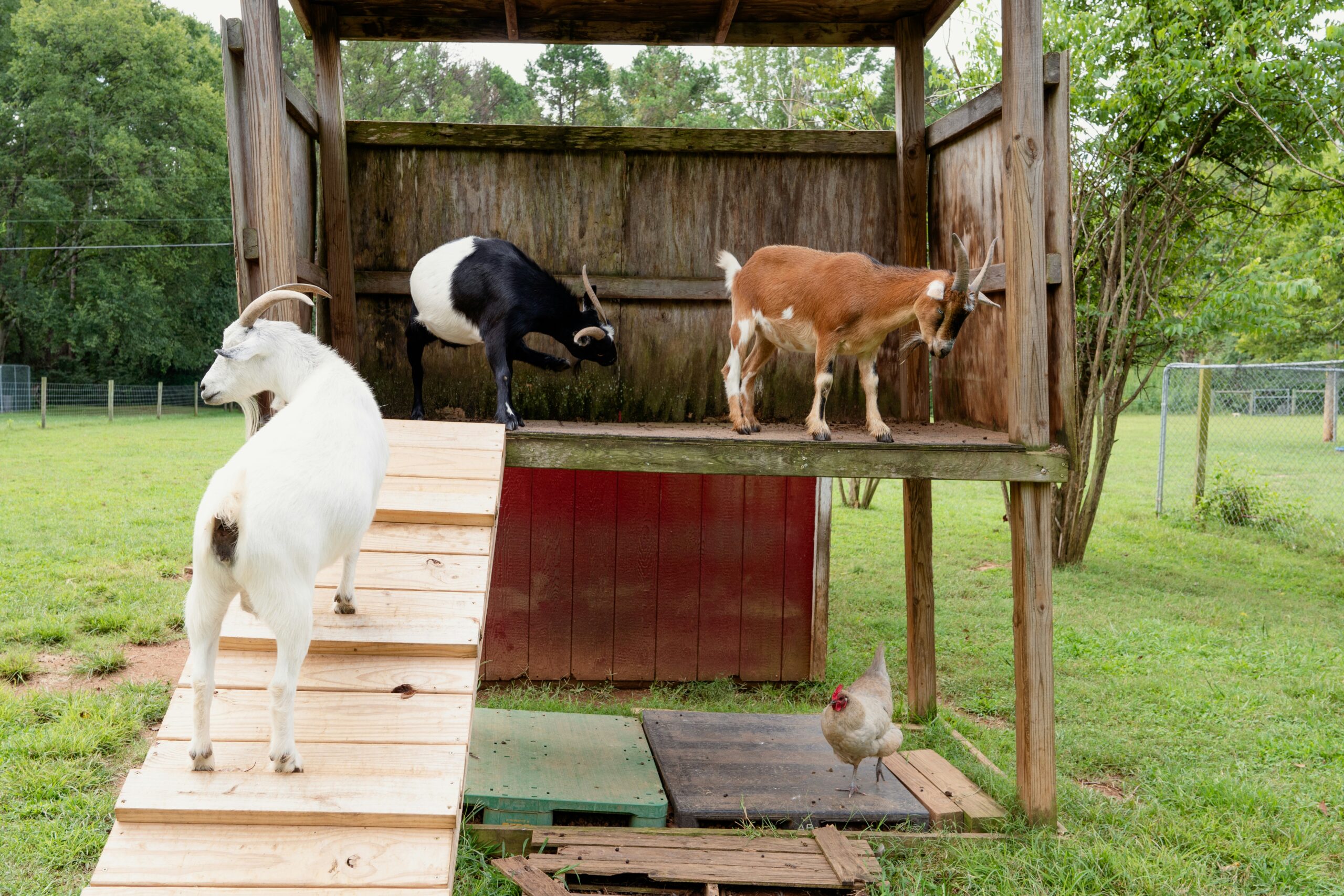
The bitter cold seeped through wood planks in winter...
The tin roof trapped heat – and horseflies – in summer.
The Wilks family lived in that goat shed for six years – Voy, Myrtle, and their five children, including Dan and Farris.
Times were tough in 1950s Cisco, Texas. But Voy was resolute...
He believed that masonry could lift his family out of poverty. So Voy learned how to mix mortar, "butter" the bricks, and smooth the joints.
It was enough to turn a goat shed into a livable home.
Before honing his masonry skills, Voy had worked at a glove factory. And there was little room to move up. When Voy's boss refused him a modest raise, Voy quit his job and turned to bricklaying full time.
Dan and Farris followed their father into the trade shortly after high school. And they continued working in the masonry business for decades.
This is what helped the brothers step out of their goat shed, and into a billion-dollar future...
The brothers established Wilks Masonry in 1995...
To start, the company focused on traditional masonry, and then expanded into large-scale projects. It helped build the Texas Christian University and Oklahoma State football stadiums.
Wilks Masonry is now a premier masonry contractor. It has won industry awards and achieved a quality rating that only the top 1% of registered U.S. businesses can get.
But this isn't Dan's or Farris' only claim to fame...
Like their father, the brothers knew an opportunity when they saw it. And in 2002, the pair recognized that fracking was taking off in Texas.
For decades, oil and gas (O&G) companies couldn't access the resources beneath the earth. But new technology and fracking techniques suddenly made it possible.
Fracking uses sand and fluids to blast through rock formations and release the oil and gas trapped inside them.
Over time, advances in seismic imaging made it easier to identify shale deposits. Horizontal drilling techniques and fluid formulas made fracking more efficient than ever before.
These innovations set off a "shale boom" – an unprecedented surge in oil and natural gas production.
And the Wilks brothers were eager to be part of it...
They used their masonry earnings to start Frac Tech Services in 2002.
The Wilkses built a fleet of heavy-duty trucks outfitted with engines and pumps designed for fracking. These pumps injected millions of gallons of fracking fluid into the ground to unlock oil and gas reserves.
Interestingly, this wasn't a total departure from their work at Wilks Masonry. Running that business taught the brothers how to manage heavy machinery, maintain equipment, and handle logistics.
This came in handy during the shale boom of 2005... Producers couldn't extract oil and natural gas fast enough. Shortages mounted and supply chains froze. And at one point, Frac Tech couldn't get the fracking equipment and supplies it needed.
So the company decided to make them. Frac Tech built its own pumps and fracking machines. The Wilks brothers even opened up a sand mine to create their own fracking fluid.
This pivot was a masterstroke...
And it helped set the company apart in an O&G niche called well completion. In 2011, the Wilks brothers sold Frac Tech for a whopping $3.5 billion.
These days, plenty of businesses have built their foundations on Frac Tech's legacy.
That single technology is what turned America from a net energy importer into the world's top oil and gas producer within about a decade.
The U.S. now pumps almost 14 million barrels of crude a day. That's more than any nation in history. Shale wells account for roughly two-thirds of that oil... and three-quarters of the country's natural gas.
And that's only the start. This year, we're expected to set a new record for crude production.
If you're looking for a powerful trend to put your money behind, consider the O&G industry.
Regards,
Joel Litman
July 29, 2026
P.S. With trillions of dollars flowing out of the "Magnificent Seven," investors are looking elsewhere for the biggest gains...
But they're all looking in the wrong place.
On August 12, I predict Wall Street will make a deliberate, synchronized move to cash out of some of the world's biggest companies – and into a select group of energy winners. Get the full story here.