The mail stopped at the borders of Paradise City...
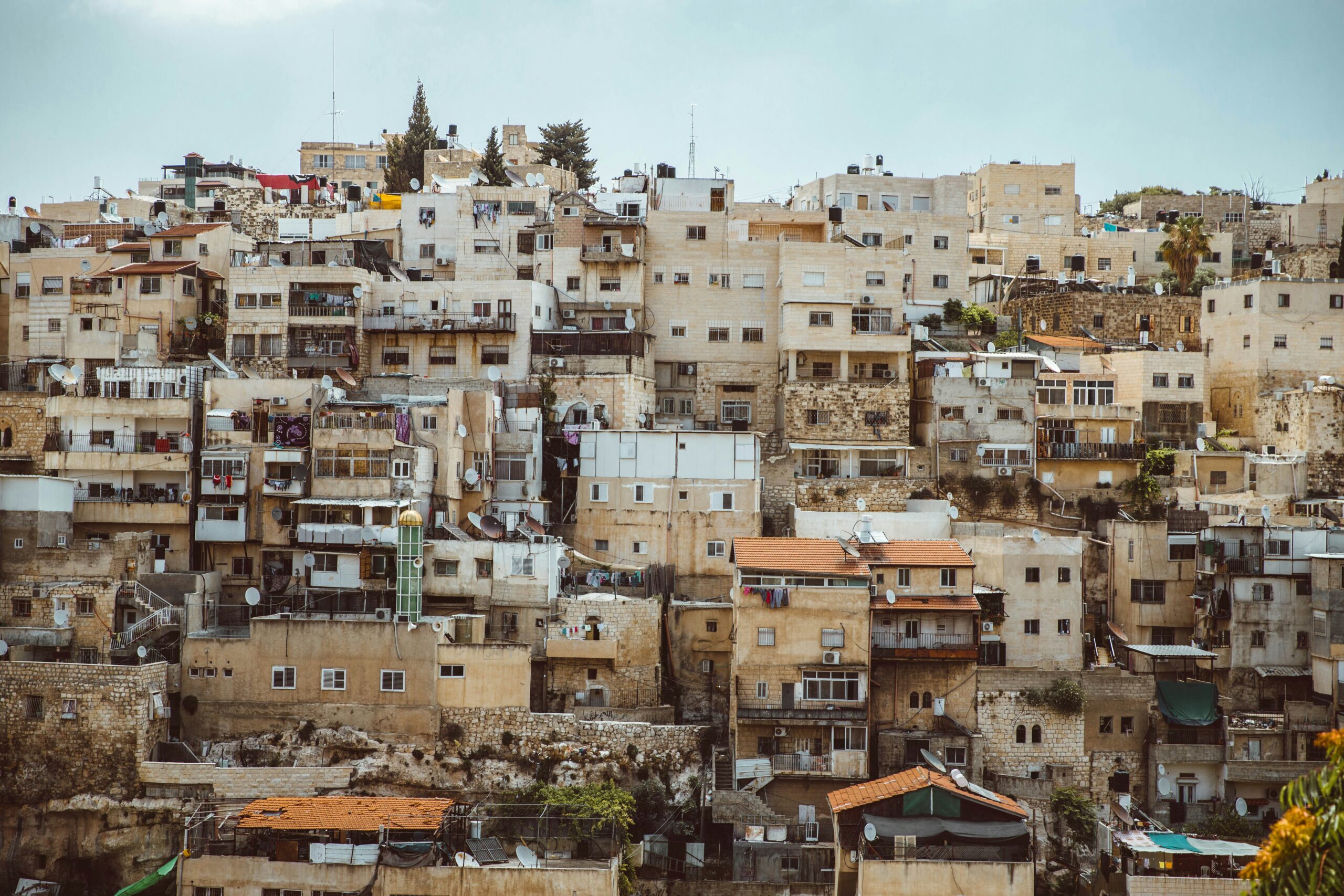
In Paraisopolis, space is so tight that an estimated 60,000 to 100,000 residents are crammed into the hillside. Essential services like electricity and gas are often pulled from a spiderweb of illegal, unregulated cables running along the streets.
The government doesn't call the shots here. Instead, the local gang's word is law.
This is the reality of favelas... the informal, low-income urban settlements dotted throughout Brazil. Paraisopolis is one of São Paulo's largest. Like many other favelas, it was started by squatters who built homes on land they didn't officially own.
Life in the favela comes with plenty of challenges. Violent crime runs rampant in certain areas. So does drug use – many of these settlements are drug-trafficking hubs.
But for decades, one of the biggest obstacles in Paraisopolis was something far more mundane...
Logistics.
Favelas were far too dangerous for most delivery companies to enter. Even Brazil's national postal service had a tough time. In addition to the safety risks, most favelas don't have a formal postal code. Often, the streets aren't wide enough for a car to pass through.
Residents relied on their neighbors to help track down packages... or left the favela altogether to go pick them up. It was an accepted inconvenience of living in these settlements.
Then came COVID-19.
Suddenly, venturing out to fetch basic goods became a severe health risk. The elderly in particular were at risk. About 70% of favela residents would abandon their online shopping carts because they couldn't get the items delivered.
Nobody from the outside was willing or able to provide a solution.
So instead, residents built one themselves...
In 2020, the folks of Paraisopolis created Favela Brasil Xpress. The community handles the entire logistics operation – sorting boxes, packing vehicles, and hand-delivering orders on bikes or scooters.
Outsiders can't easily navigate the tight corridors and unwritten community rules. But the locals know exactly how to move through the favelas and where each delivery needs to go.
The service's impact has extended far beyond what residents ever expected... Favela Brasil Xpress now oversees about 1,600 door-to-door deliveries each day.
Brazil's postal service finally opened a branch in Paraisopolis. Google even worked with local leaders to map out the favela's homes and give each a virtual address.
If you're reading this from the United States (or much of the developed world), you probably take package delivery for granted. It couldn't be easier to order something from a website... and have it brought to your house in a matter of days.
But we're the lucky ones...
In much of the messy physical world, plenty of hurdles can keep a box out of a customer's hands for weeks... months... or forever.
That's exactly what makes these markets so valuable for investors.
Where infrastructure is weakest, the companies that solve basic problems can grow the fastest. A logistics improvement in the U.S. might shave a few hours off delivery time. In an underserved market, it can unlock an entire economy's worth of demand.
If you're looking for oversized returns, focus your attention on international companies solving big problems in markets where the basics are still missing. That's where you can find big hidden gems.
Regards,
Joel Litman
September 9, 2026