Don Ainsworth wanted to drop 2,000 feet without tapping the brakes even once...
That's a challenge on Cabbage Hill – one of the most notorious stretches of interstate in the country.
Located in eastern Oregon, it's about 10 miles of steep descent with tight switchbacks and runaway truck ramps that catch fire more often than they should.
For most drivers, it's a white-knuckle ride.
Most truckers would've approached Cabbage Hill with caution and a heavy foot on the brake pedal.
But Ainsworth didn't see the point.
Ainsworth was no daredevil...
For him, laying off the brakes on Cabbage Hill was a cost-saving opportunity.
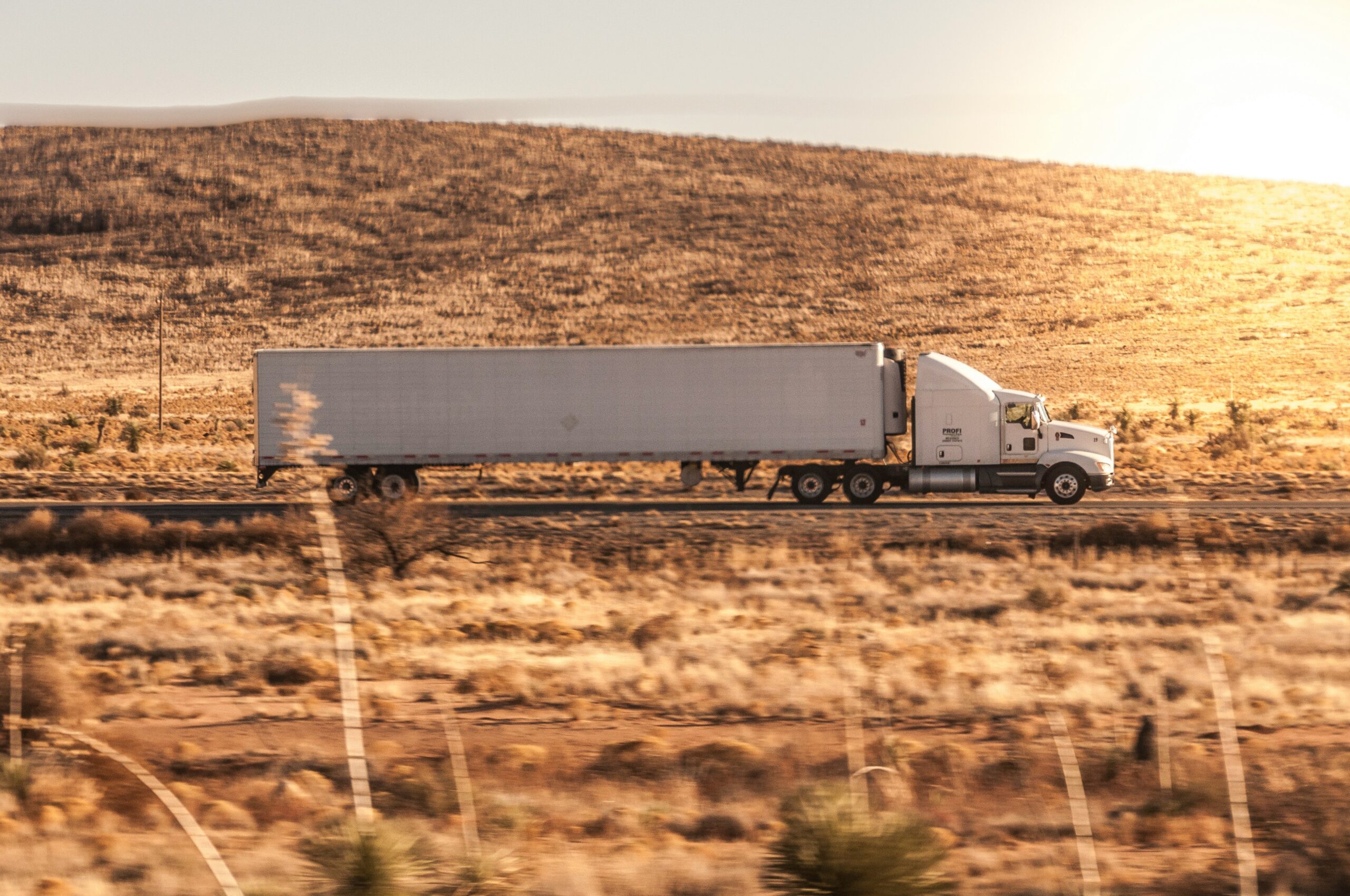
He was at the wheel of an 80,000-pound chemical tanker – a truck he owned and operated solo. Ainsworth knew, of course, that brakes wear down with use. In the worst case, they fail. He didn't trust the physics of slowing 40 tons with friction.
Instead, he trusted his conservative gearing and his "Jake brakes" to do all the work.
He selected eighth gear the way a golfer might select a particular club and began what he called "the fall."
Eighth gear kept his speed steady at just below 20 miles per hour – slow enough to prevent runaway momentum, but fast enough to keep from overworking the engine.
The Jake brake – short for Jacobs Engine Brake – handled the rest. It modified the engine's exhaust valves to create compression resistance, essentially turning the massive diesel engine into a powerful air compressor.
That resistance slowed the truck naturally... without Ainsworth ever needing to touch the service brakes.
When you're both the driver and the owner of a rig, every decision is an economic one...
Ainsworth had learned over decades on the road that every decision – from where to fuel up to what gear you're riding – had a cost.
That's why he never filled his fuel tanks completely. A full load of diesel adds more than 2,000 pounds – wasted weight that drags down fuel efficiency.
He preferred "just a dab" at truck stops, calculating his refueling strategy based on weight, distance, and state-by-state tax structures.
That's also why he hated fueling in Oregon. The posted price looked cheaper than Idaho's, but he knew the state would claw it back through ton-mileage levies. "Phony-assed fuel," he called it.
He also refused to park next to just anyone at rest stops, knowing one careless door swing could cost thousands in cosmetic repairs. "We're 50% protected," he'd say, nudging his rig next to a light pole. "And that's better than 100% vulnerable."
Ainsworth likes to say that consistency is key in his business...
Downtime is a lot more expensive than keeping your rig in good shape and avoiding unnecessary risks.
One thing is certain... No matter what truckers like Ainsworth are hauling – be it fish guts or orange juice – keeping your truck in great condition is the best way to stay on the road (and keep collecting paychecks).
And that requires a lot of preventive maintenance.
Commercial trucks typically last for about 700,000 miles... and that requires nearly constant upkeep and part replacement. Many drivers invest as much as possible in maintenance to maximize "uptime."
That's why replacement-part makers are such a smart investment... particularly those that focus on commercial trucks.
Trucking can be an easy industry to overlook. It rarely grabs the headlines. The leading shipping companies don't have the brand recognition of sexier industries like tech or pharmaceuticals.
But trucking is the foundation that allows other industries to succeed. More than 60% of electronics are transported via truck... roughly 80% for automobiles... more than 50% for pharmaceuticals... and about 80% for machinery.
As long as cost-conscious drivers like Ainsworth are behind the wheel, part-makers will have plenty of business. And that business will last through any economic condition.
Regards,
Joel Litman
April 23, 2026