One of the fastest-growing AI hedge funds suddenly dumped its biggest bets...
Its founder, Leopold Aschenbrenner, left OpenAI and started Situational Awareness with a few hundred million dollars. Lately, it has been managing more than $20 billion.
Investors treated Aschenbrenner like an AI oracle... They studied the firm's regulatory filings for clues about where this technology was heading.
Situational Awareness backed up that reputation with big, leveraged positions across the AI supply chain... It held large stakes in high-flying companies like Sandisk (SNDK), Bloom Energy (BE), and Micron Technology (MU).
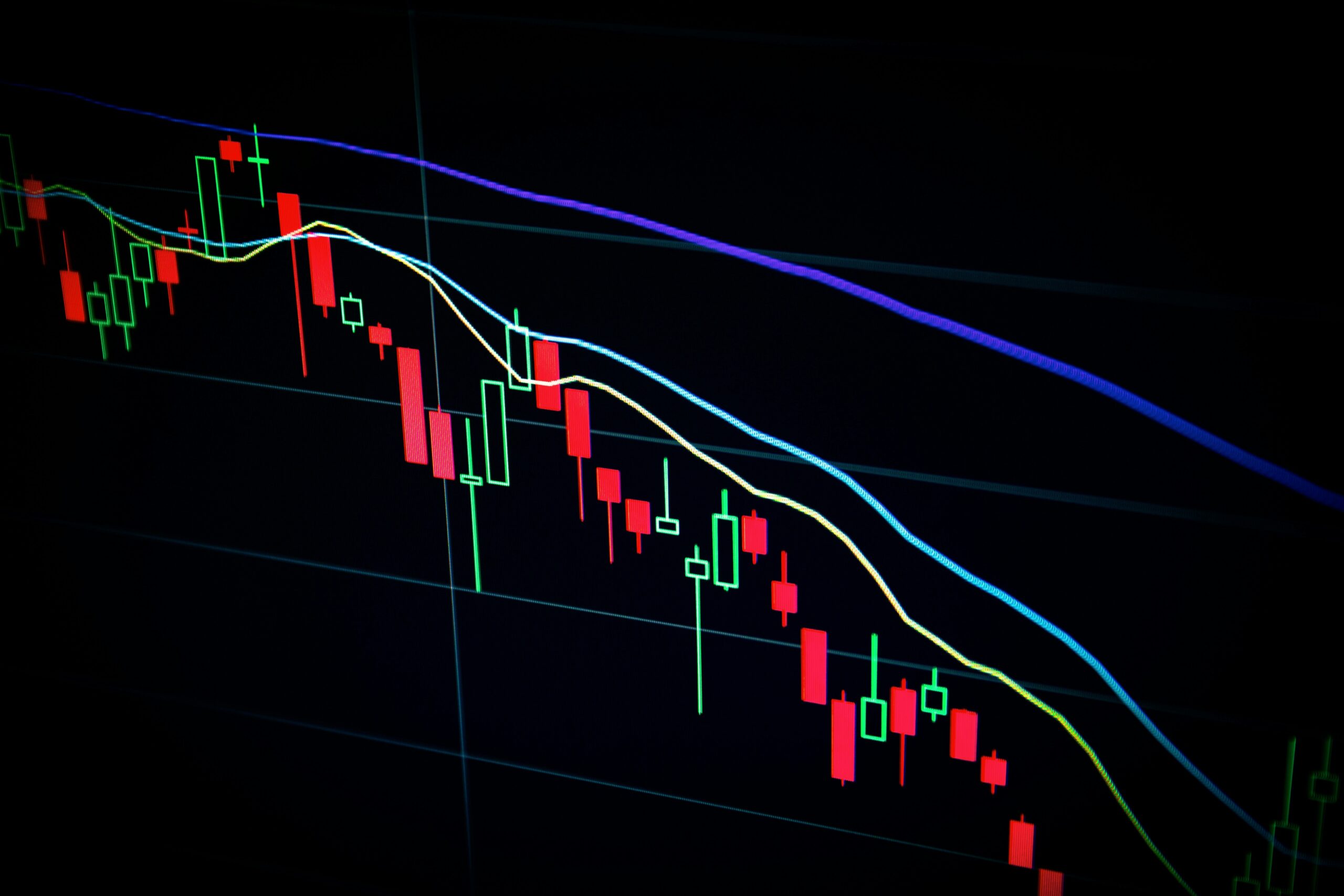
Last week, the AI trade seemed to crack... AI and other tech stocks fell sharply. The losses hit Situational Awareness's portfolio, forcing it to sell certain positions.
To the market, this looked like a serious test. The Nasdaq 100 Index briefly entered correction territory. It looked like one of AI's strongest believers had lost faith.
Today, we'll reveal who was waiting to capitalize on that forced sale... and why the events surrounding Situational Awareness's collapse set up a far more bullish sell-off than it appeared.
Days before Situational Awareness's portfolio sale, Citadel Securities issued an aggressive Federal Reserve forecast...
The tech-driven market maker expected the central bank to raise interest rates last week. (Of course, it didn't.)
The company argued that investors were underestimating the Fed's shift. A surprise increase would restore the central bank's inflation-fighting credibility... And it would abruptly end an era where every policy move was signaled in advance.
Citadel's warning hit the market... hard.
The expectation of higher interest rates weighs heavily on growth stocks. Higher rates also increase the cost of financing leveraged investments.
Some of Situational Awareness's stocks plummeted by almost half. Sandisk alone fell more than 40% in July. Bloom Energy was down a little more than 30%.
Its AI holdings were tumbling, while the cost (and risk) of carrying those positions was rising.
Since the hedge fund had borrowed money to amplify its bets, the losses triggered margin calls. This is when a broker demands more money to make sure an account's value stays above the minimum capital required.
Those demands forced Situational Awareness to raise cash. And it required the hedge fund to sell positions into an already weak market.
Citadel emerged as the buyer when that liquidation unfolded...
The company purchased the slice of the public-stock portfolio Situational Awareness had financed with borrowed money. That enabled it to buy into AI stocks at a cheaper price.
Citadel manages roughly $71 billion and has a long record of acquiring assets from forced sales. It waits for prices to fall, steps in when leverage becomes unbearable, and absorbs positions that companies can no longer finance.
Global hedge fund Millennium Management also bid on the portfolio, signaling that Situational Awareness's assets were valuable to other firms.
But Citadel ultimately secured the positions. It understood where the pressure would land... and had the capital ready to move on the opportunity.
Don't read too much into the market panic...
Situational Awareness's collapse looked like a tough verdict on the AI trade. However, Citadel's buyout offers investors a more useful perspective.
The AI market isn't breaking down. In fact, the largest investors on the planet are trying to buy as many of these tech stocks as possible.
Investors need to separate forced selling from deteriorating fundamentals. Citadel used the market panic to increase its AI exposure after prices had fallen.
The recent sell-off signals that one of Wall Street's strongest players wanted more of the AI trade... which means demand is still strong.
Regards,
Joel Litman
August 3, 2026