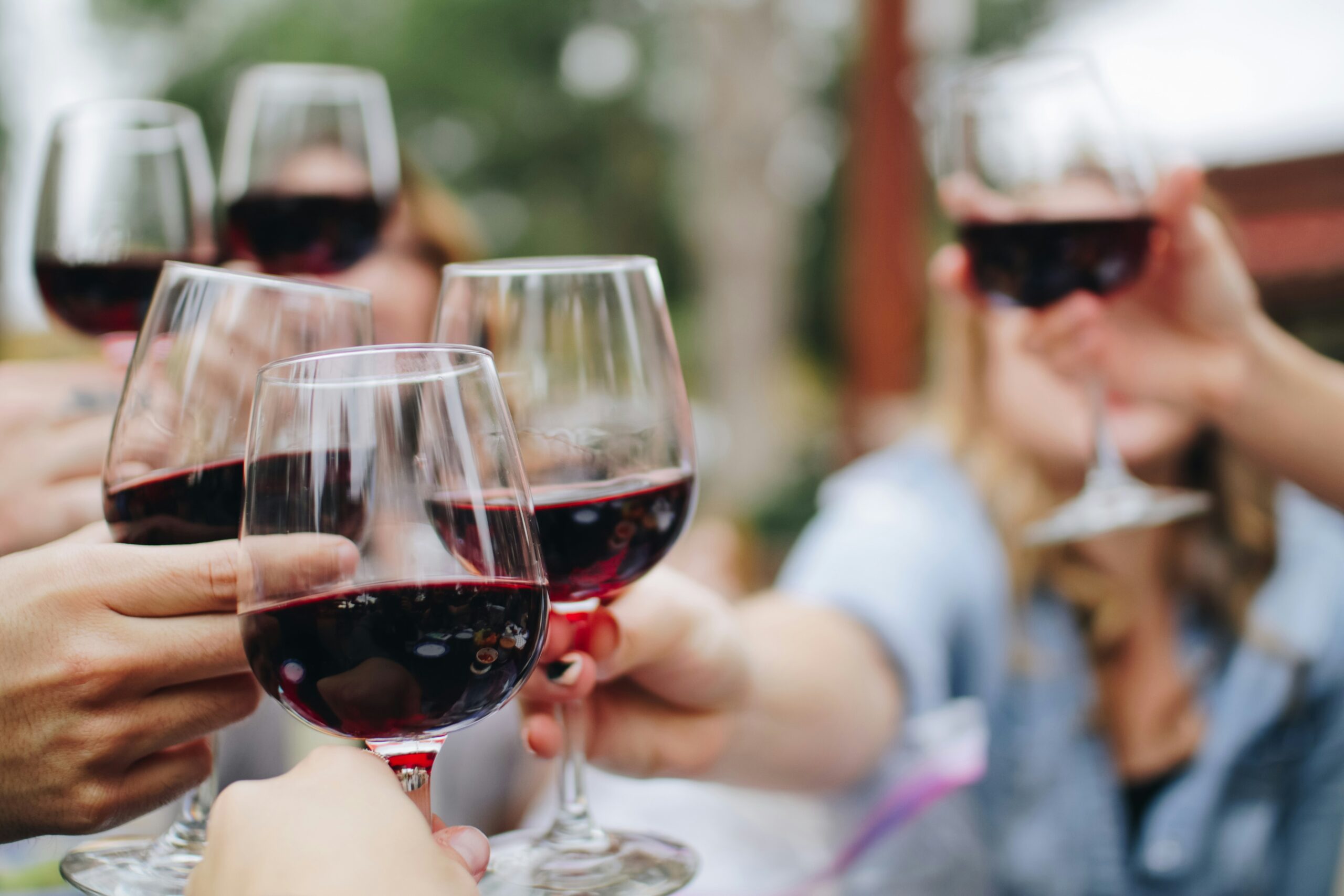
The room went quiet after the first sip...
In the hushed stillness of a Sacramento conference center, 64 judges swirled, sniffed, and tasted their way through more than 3,000 entries.
This was the 2007 California State Fair Commercial Wine Competition – one of the most respected blind tastings in the country. Among the most competitive categories was chardonnay, with 350 bottles vying for the top honor.
One sample in particular caught lots of attention. A judge described the wine to ABC News as "a nice creamy butter, fruity... It was a delight to taste." The other judges shared his opinion.
The mystery wine earned a rare double gold medal, awarded only when every single judge agrees a wine is best in class.
Wine snobs around the world were stunned.
"Two Buck Chuck" – a discount chardonnay sold for $1.99 at Trader Joe's – had just beaten out a bottle priced at $18... and one that retailed for $55.
Known formally as Charles Shaw Chardonnay, Two Buck Chuck doesn't come with a vineyard estate on the label or a high-end cork. It's stacked in bulk next to granola and frozen dumplings.
And the grocery-store brand had toppled California royalty.
Even though the packaging is nothing fancy, the juice is just as good as more expensive wines from the same region...
The only thing missing is the marketing budget.
Two Buck Chuck is what's known as a "white label" product. Retailers pay white-label producers to make "generic" versions of popular goods. Then they slap on their own label and stock up the shelves.
This no-frills approach means customers only have to pay for the product itself. Some folks assume it's not good if it doesn't carry a recognizable name.
But the Two Buck Chuck upset proved how wrong those assumptions can be.
Private-label manufacturing is a multibillion-dollar industry... and it extends far beyond award-winning wine.
Costco's Kirkland Signature brand is an $86 billion business on its own. Its French vodka routinely beats Grey Goose in blind tastings. And its store-brand batteries are often made by the same factories that supply Duracell.
It's the same story for many other white labels. None of these cheaper alternatives hit shelves without a trusted supplier behind them.
And the real winners stay behind the label...
When a store brand wins a taste test, the retailer earns the headlines. But the private-label manufacturer gets more sales, too.
That's the business of private label. These producers run big operations... make products at a massive scale... and distribute them to multiple retailers as their house brands.
They don't have to worry about what sells and what doesn't. That's the retailer's problem to figure out. And for investors, private-label companies also lack some of the volatility that their customers encounter.
Brand names will always have their place in your portfolio... and so will house brands.
Regards,
Rob Spivey
January 20, 2026