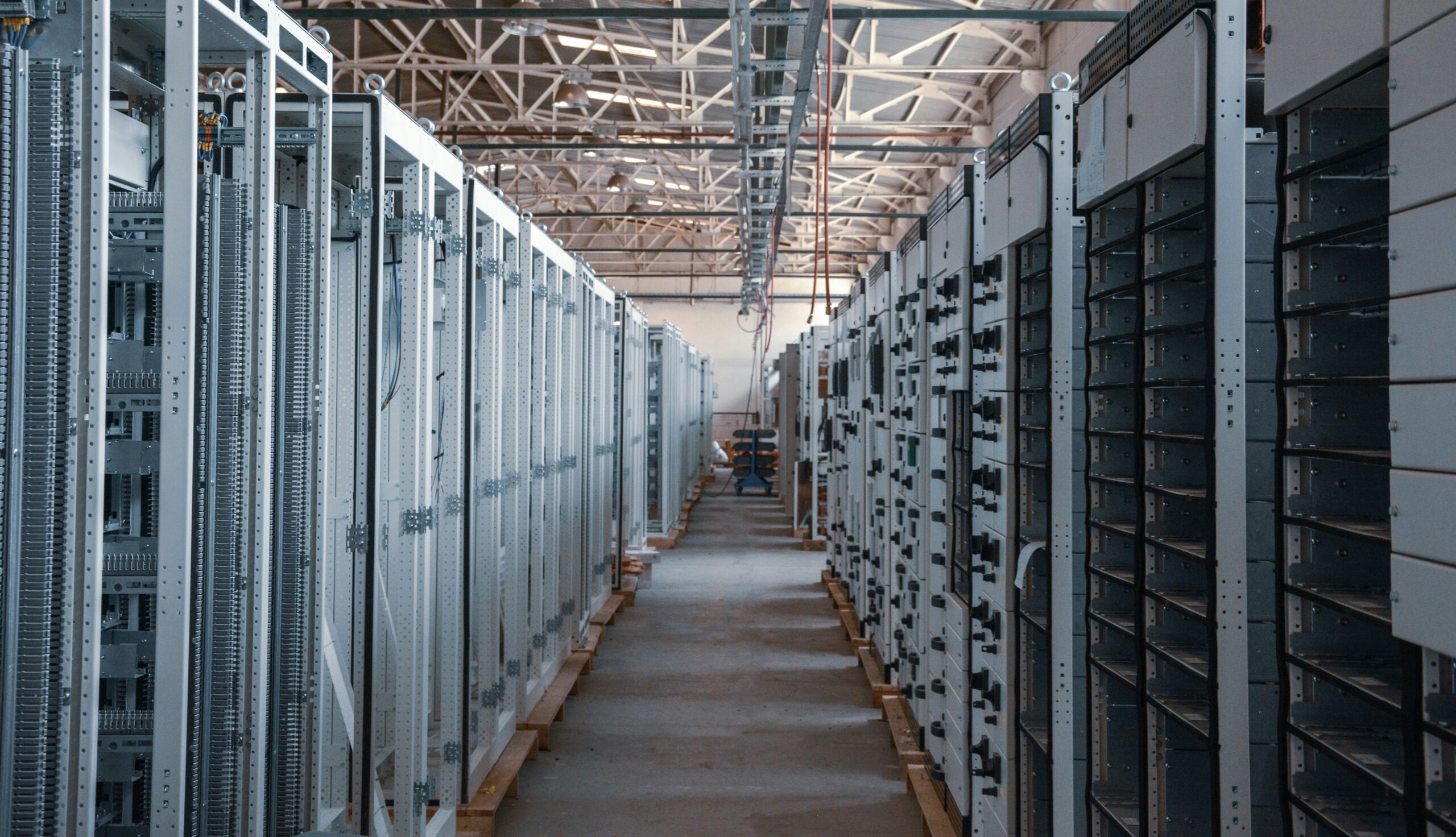
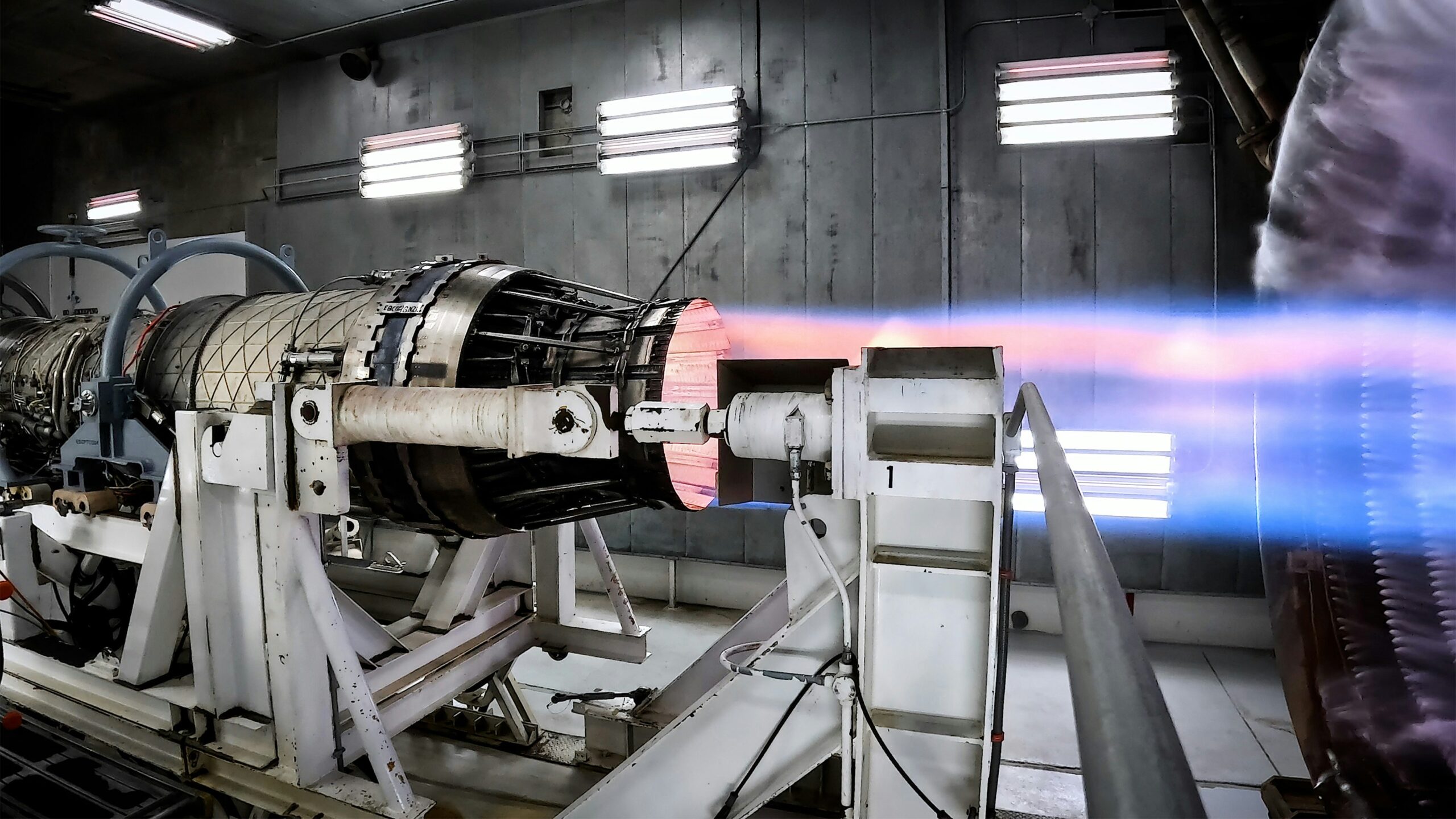
Data centers aren't measured in size...
They're not measured by number of servers, either. They're not even measured in computing power.
Instead, we measure them by power consumed.
Take Elon Musk's Colossus supercomputer.
Last year, the 785,000-square-foot facility in Memphis, Tennessee, was being used to develop social platform X's Grok 3 AI model. Colossus used enough energy to power 150,000 homes at the time.
We're now already on Grok 4.20. And Colossus is just one data center.
When you consider how many businesses are investing in their own AI tools, the strain on our grid is impossible to ignore.
The Federal Energy Regulatory Commission ("FERC") estimates that peak energy demand will reach 947 GW by 2029.
That's a 27% jump for a metric that has largely been flat for the past 20 years.
We've spent the past two days covering the significant strain AI is putting on our power grid... and why we can't expect any one immediate solution.
Today, we'll wrap things up with a closer look at AI's incredible power consumption. And we'll share another trend that's adding to the pain (that almost no one else is covering).
Recall from yesterday that our grid usually operates at around 74% capacity...
That number improved to 64% levels in recent years. But it's expected to rise back to 70% this year.
And demand could jump to 84% of total capacity by 2030. That could result in an energy crisis the likes of which we haven't seen since the 1970s.
Big Tech isn't taking its foot off the gas, either. Facebook owner Meta Platforms (META), Google parent Alphabet (GOOGL), Microsoft (MSFT), and Amazon (AMZN) spent a combined $150 billion on data centers in 2023.
They hit $380 billion last year... and they're expected to surpass $600 billion in 2026.
Given those numbers, it's no surprise AI has grabbed most of the headlines this year. Data centers alone are expected to demand another 220 gigawatts ("GW") of power in the coming years.
But there's another drain on power that almost no one is covering...
We're talking about the supply-chain supercycle...
Regular readers know all about this trend. U.S. corporations have spent decades moving their supply chains overseas and letting their assets age.
After pandemic-era supply-chain issues, they started to rethink this approach. Companies are moving operations back to U.S. soil to give themselves greater control over production.
And a slew of tariff announcements in the past year is only speeding up the process.
Industrial factories don't require as much power as data centers. But they're still substantial power users.
The industrial sector consumed about one-third of all U.S. energy back in 2022. And that was before many companies had moved manufacturing back "onshore."
This is all compounding how fast energy demand is set to rise. The U.S. Energy Information Administration ("EIA") publishes an annual forecast for energy demand growth.
Between 2023 and 2025, it had to increase its total forecast for energy demand by more than the loads of Texas, California, Florida, and Ohio combined.
One thing is certain – to sustain these trends, we need more power...
And while power is the bottleneck, construction companies are the ones that control it.
We need construction and engineering firms to actually build new power infrastructure. Otherwise, our grid would come to a standstill. Data centers would sit half finished.
Last September, we recommended Hidden Alpha subscribers take advantage of these powerful tailwinds through shares of MasTec (MTZ).
The company touches all parts of the energy buildout – it builds clean energy infrastructure, data centers, oil and gas pipelines, and even fiber networks. That makes it a pivotal player in keeping the energy grid up to date and ready to connect.
MasTec didn't take long to prove us right. Subscribers who followed our advice are up 73% in just over six months. The stock hit a new all-time high earlier this month.
Shares are now trading well above our recommended buy-up-to price. But MasTec isn't the only opportunity out there. The entire construction industry has more demand than it knows what to do with.
When a few companies alone are shelling out more than $600 billion in a year... you know you have a massive opportunity. This is a fantastic place to look for hidden value today.
Regards,
Joel Litman
March 25, 2026