The U.S. is facing an issue that we haven't seen in decades...
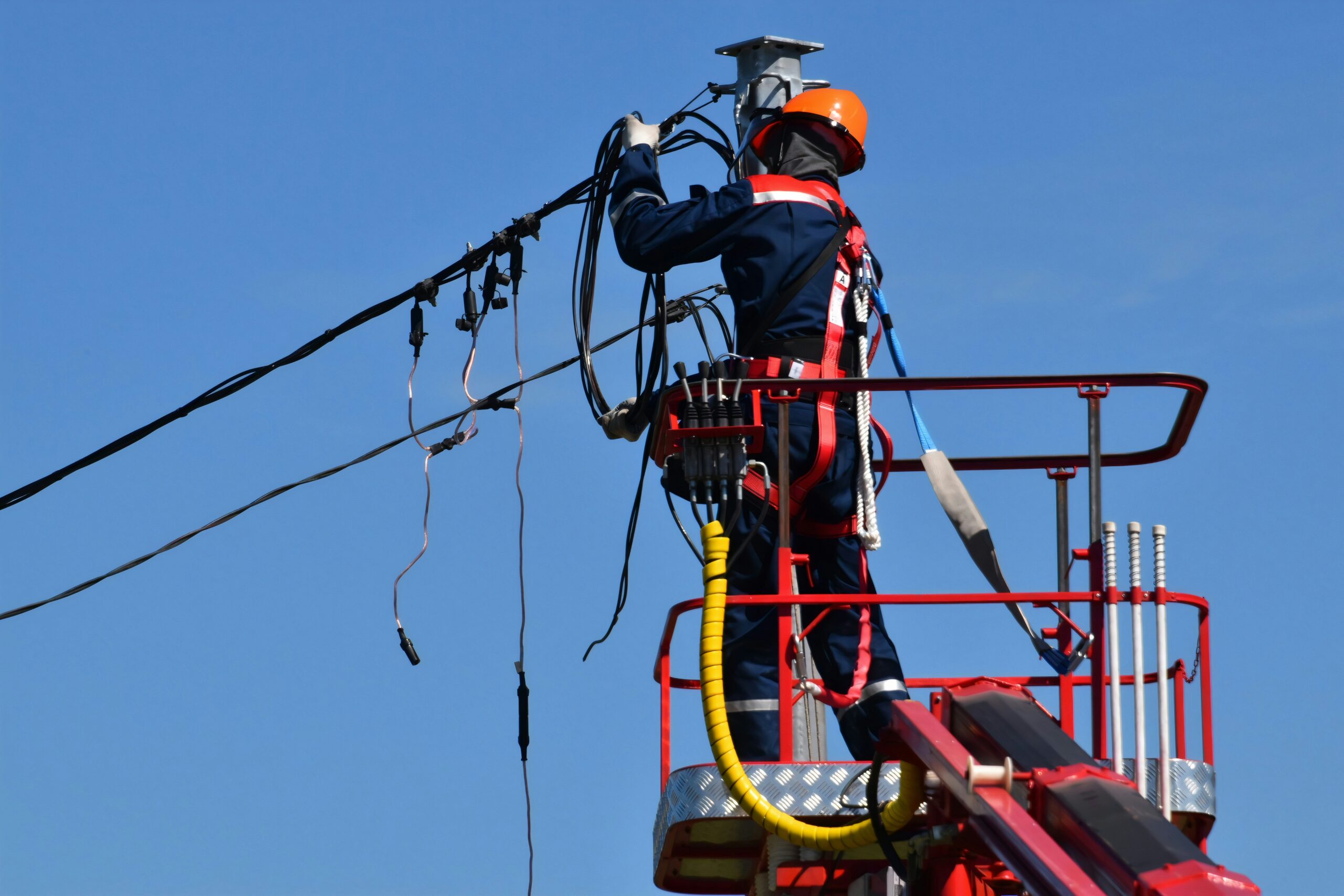
There's not enough power.
We touched on this problem in yesterday's edition of Altimetry Daily Authority. For the first time in decades, our energy supply is under pressure. Prices are rising as a result.
And we're racing to build capacity to keep up.
Today, let's talk more about the problems piling up for American energy... and why there's not just one simple solution in the age of AI.
Our energy grid is built to handle times of peak energy demand...
Think the hottest days of summer, when people crank up the air conditioning. For the rest of the year, the grid operates well below its maximum capacity.
Because of this relationship, a common way to measure the strain on our energy system is by comparing peak energy demand with the grid's total power-generation capacity.
Peak demand has been effectively flat for the past two decades, averaging around 750 gigawatts ("GW"). Total capacity also stayed largely stable, around 1,000 GW.
That was, until 2021... when energy production ramped up following the pandemic.
Said another way, peak demand has only required 74% of our grid's total capacity from 2005 to 2020. And it has called for just 64% since then.
It might seem like our energy-generating capabilities are better than ever...
But that's not the case. You see, not all power-generation capacity is created equal.
Back in 2005, about half of our power came from coal. Another 20% came from natural gas, and the rest came from nuclear (20%) and renewables (10%).
Environmental concerns have led the U.S. to phase coal out of our energy solutions. It only accounts for about 17% of power today. Natural gas has largely filled this void, rising to roughly 40% of capacity. Renewables have jumped from 10% levels to the 24% range.
Renewables are the long-term goal. But they're not ready yet. Solar and wind farms can't operate 24/7 to supply the grid with constant ("baseload") energy.
And battery technology isn't advanced enough to store reliable power in the event of a surge... or even to support steady growth in energy demand.
On top of that, not all natural gas and remaining coal plants deliver constant energy. "Peaker plants" are designed to come online only for short periods when demand is surging.
So it's true that overall power-generation capacity has increased since 2020...
But the reliability of that power has declined.
In other words, our grid is less prepared to take on today's rising baseload power demand than it was 20 years ago.
That means our system is less resilient to shocks. And shocks might be exactly what we're about to get...
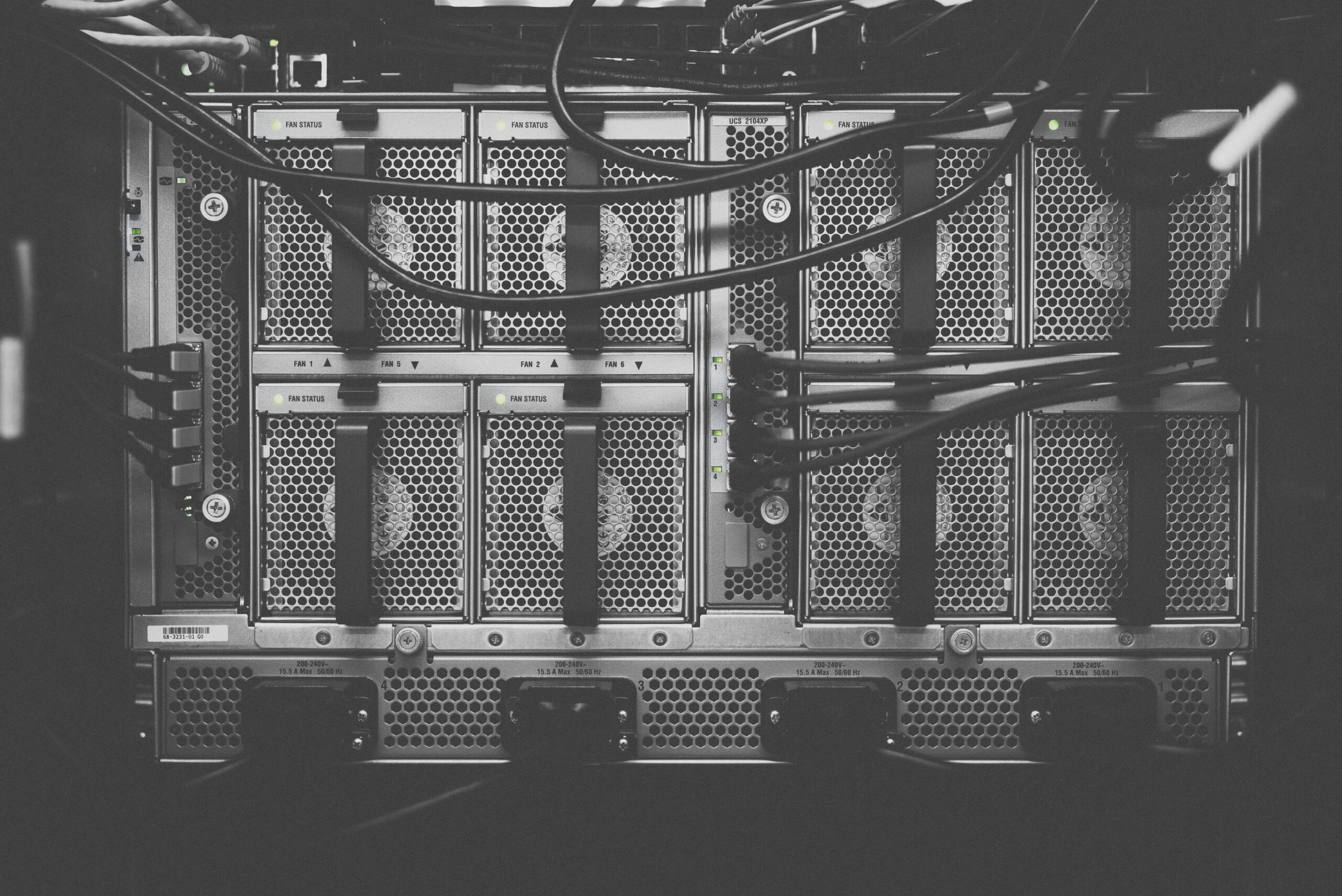
Regular readers know AI is putting a huge strain on what's already becoming a less-reliable power grid. Data centers are always on. And their power demand is insatiable.
The numbers aren't final yet. But experts believe this shift will have raised residential electricity prices across the U.S. by 4.7% in 2025... up from 3% in 2024.
As for that extra reserve of energy supply we built up?
It's starting to decay again. This year, peak energy demand is expected to get back to 70% of our total capacity. We're expected to surpass 80% by 2030.
Tomorrow, we'll be back with more details about how dire the energy shock could be.
In the meantime, here's what you need to know...
Data centers are the biggest variable. But they aren't the only one.
Regards,
Joel Litman
March 24, 2026
P.S. Energy isn't the only sector that's under pressure from AI. Over the past few months, the software industry has been hit by a wave of AI-driven disruption.
That's exactly what we're covering in our March Master Class: "The AI SaaSpocalypse Playbook." We go live today at noon Eastern time.
This session is built for investors who want to see the markets the way professionals do... through real data, not hype.
My colleague Rob Spivey will break down what's really happening across the software industry... whether these stocks are actually cheap today... and which businesses may benefit from the rise of AI.
Altimeter Pro subscribers should have received their invitations earlier this week. For everyone else, there's still time to reserve your spot – get the full details right here.